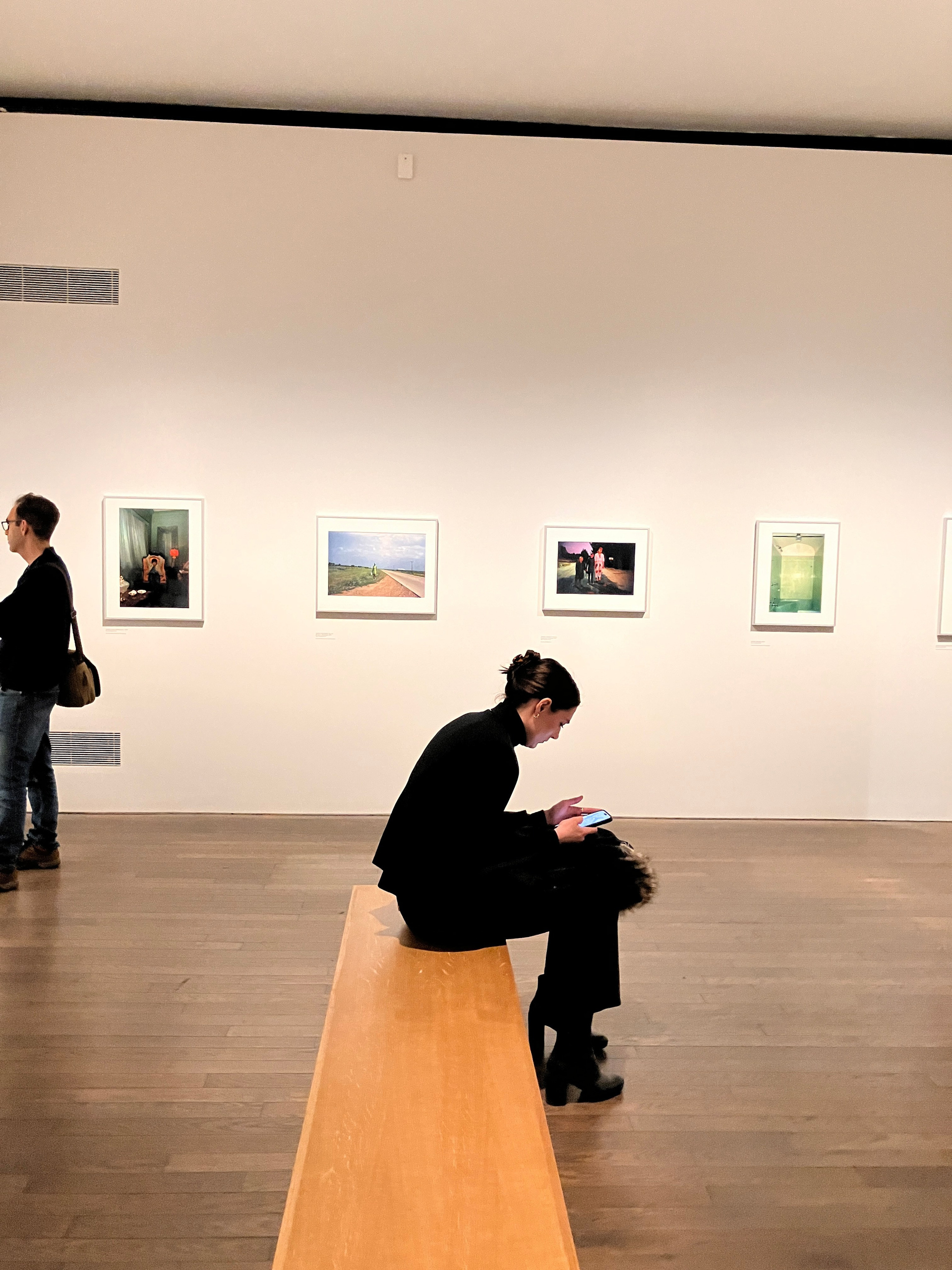
I went to see Eggleston’s exhibition at the Photographer’s Gallery in London, and saw his work in a completely different light to how I’d seen it in books before. You have to view it all at once, spread across all the walls, taking it all in at the same time — that’s the trick.
And then this whole dance of colour and lines comes clearly to the surface, the rhythm within the frames and between them — it’s all like a forgotten film: he’s just framed it for you, take a look.
And you, the viewer, are inside the film; it’s not the film that’s rolling, but you who are moving along with it.
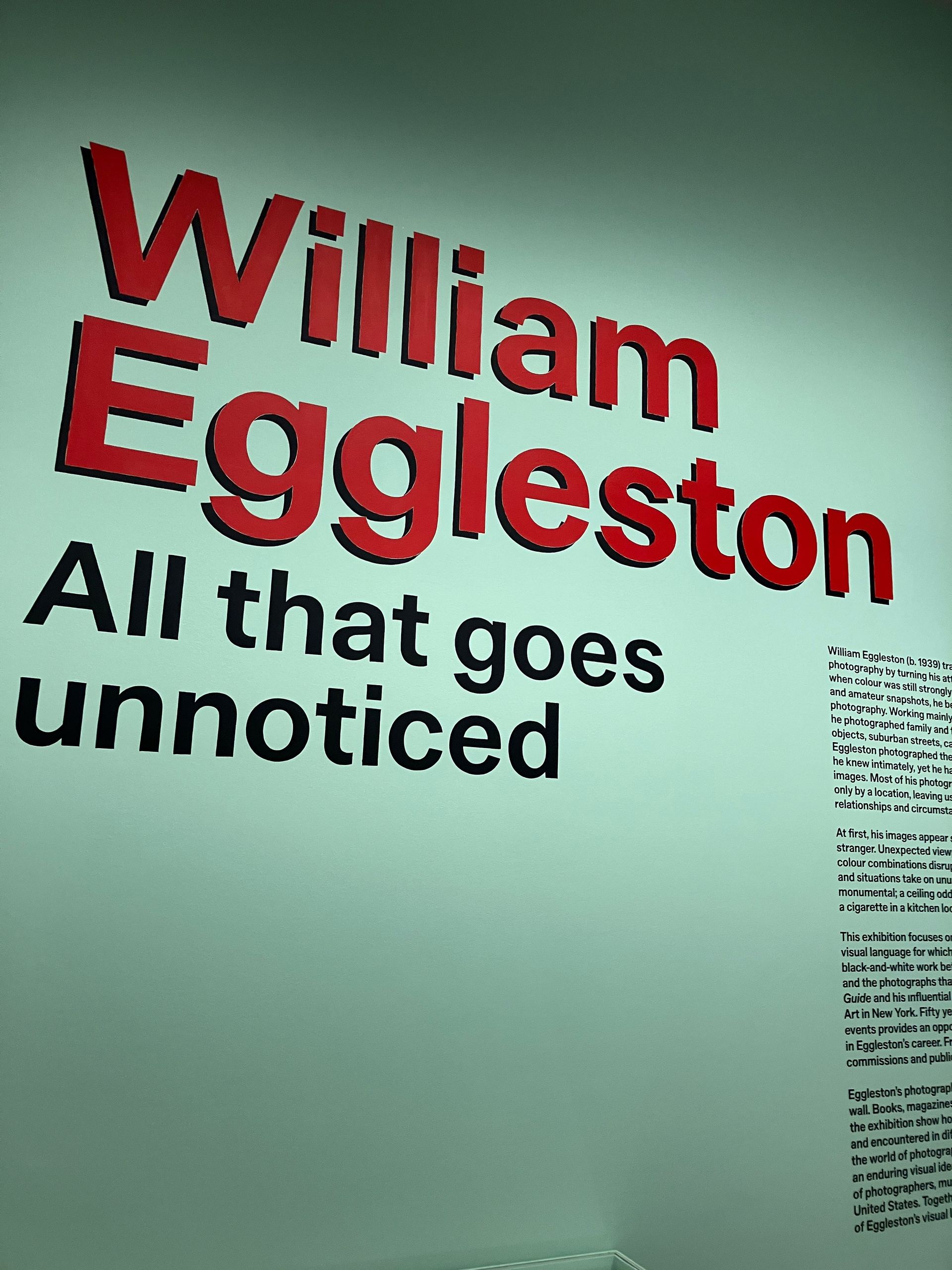
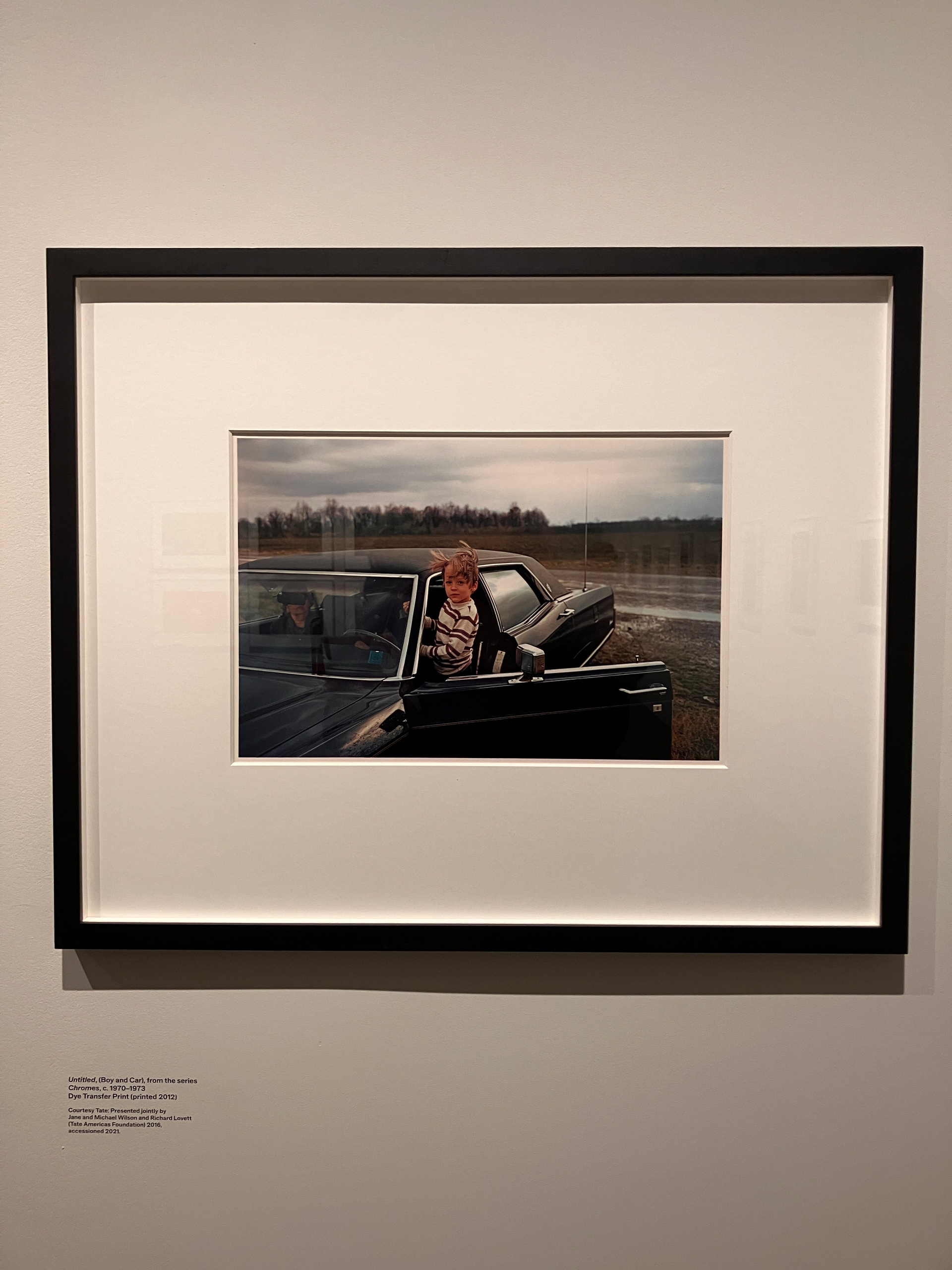
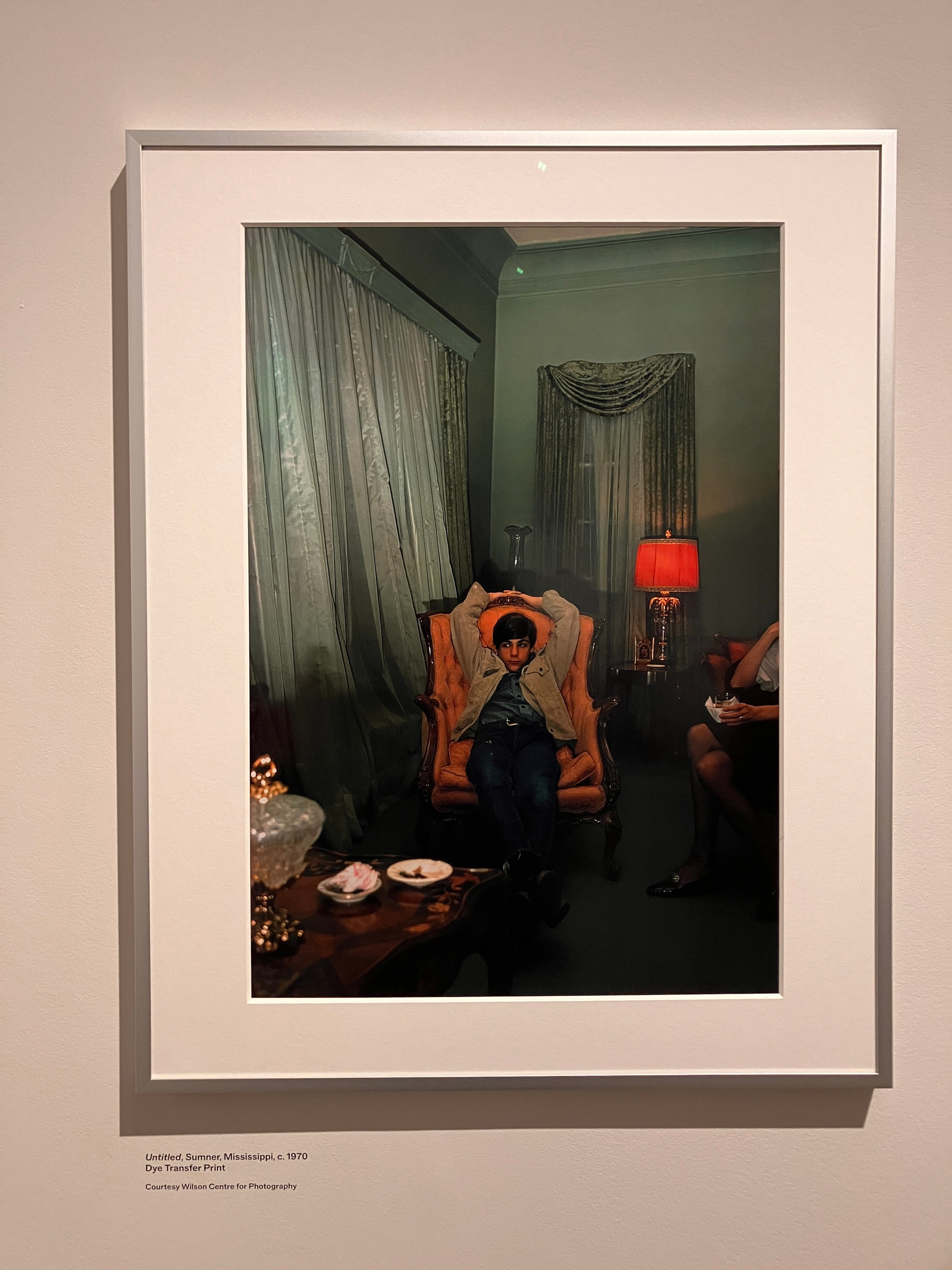
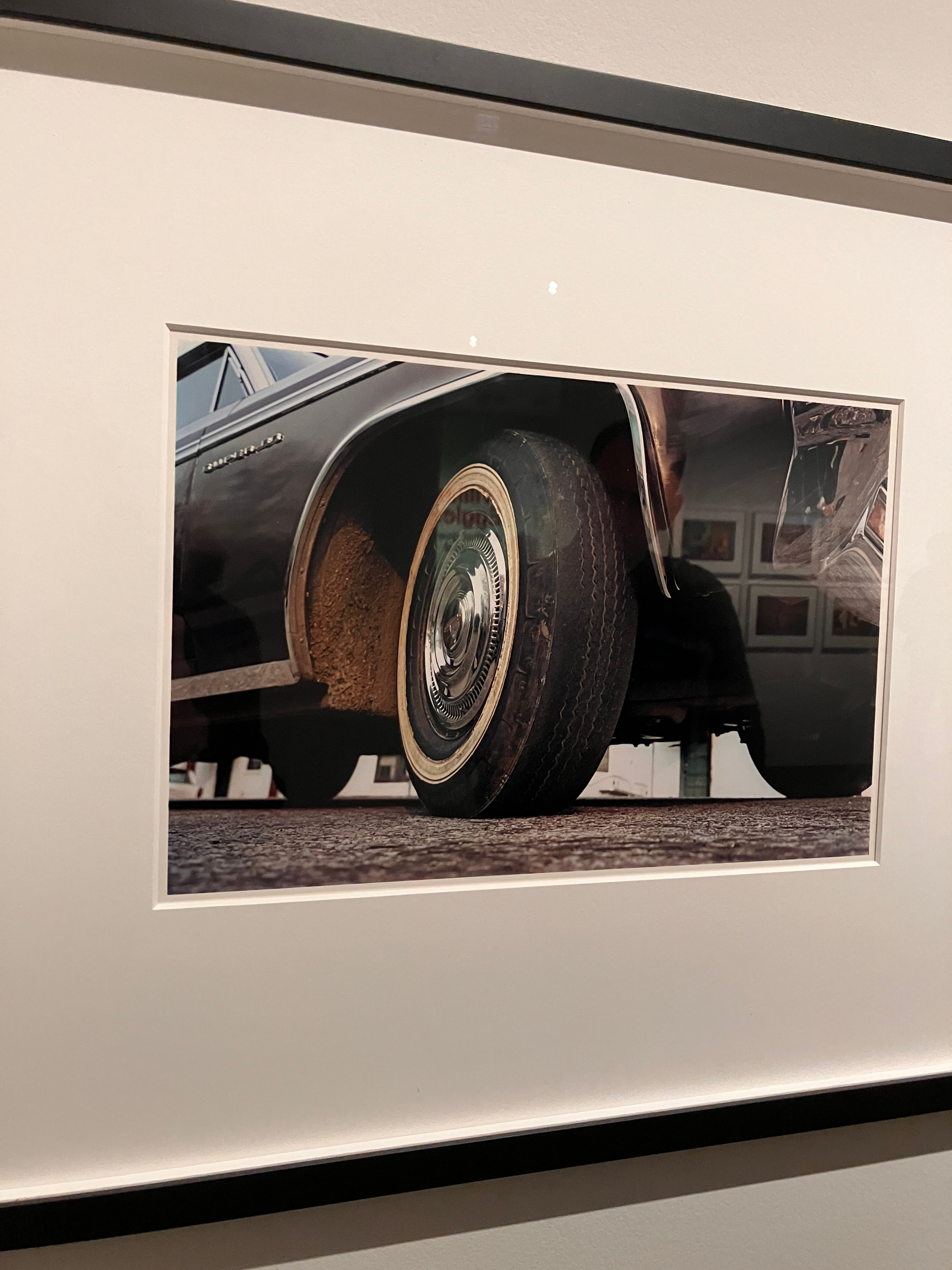
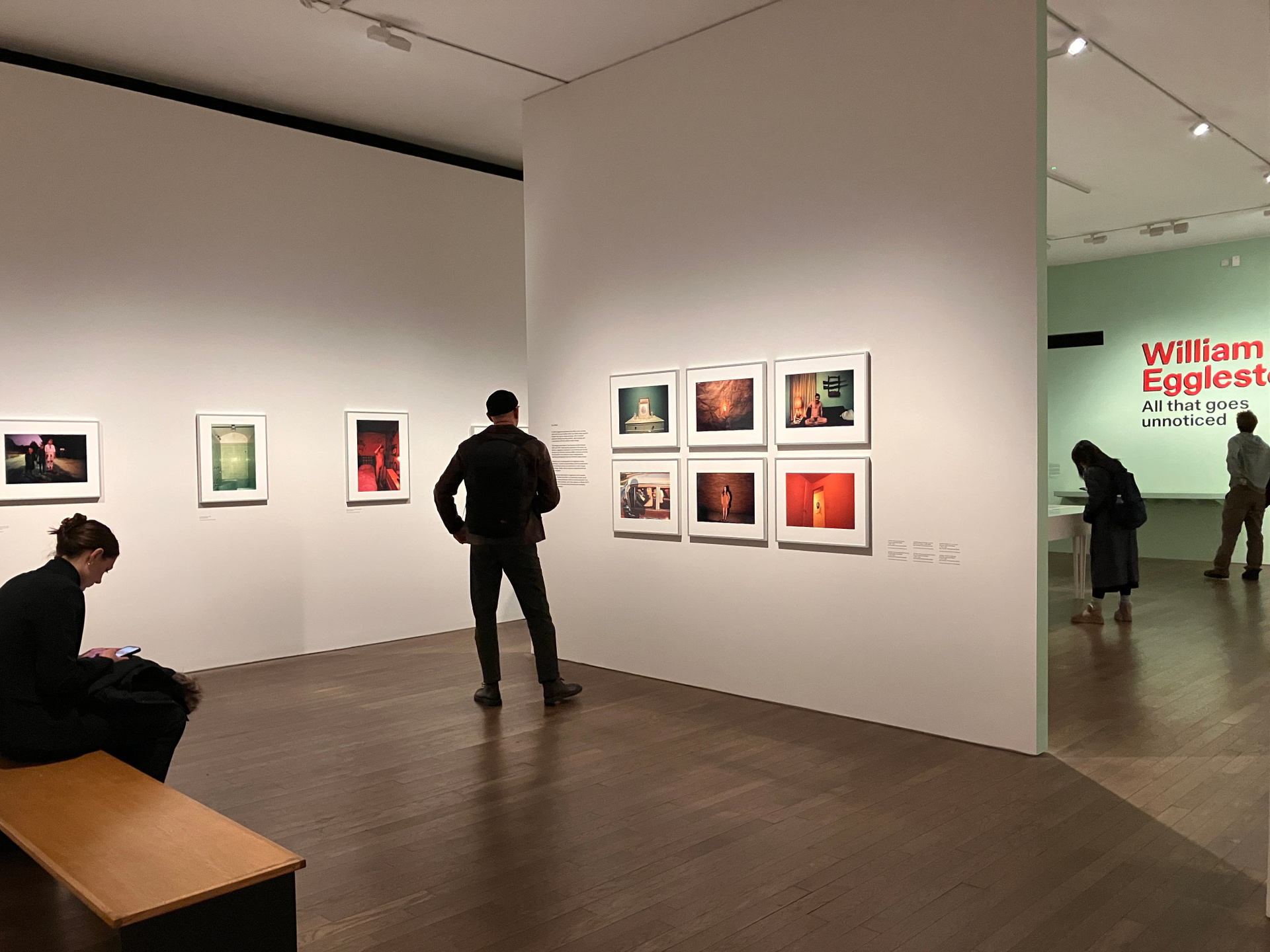
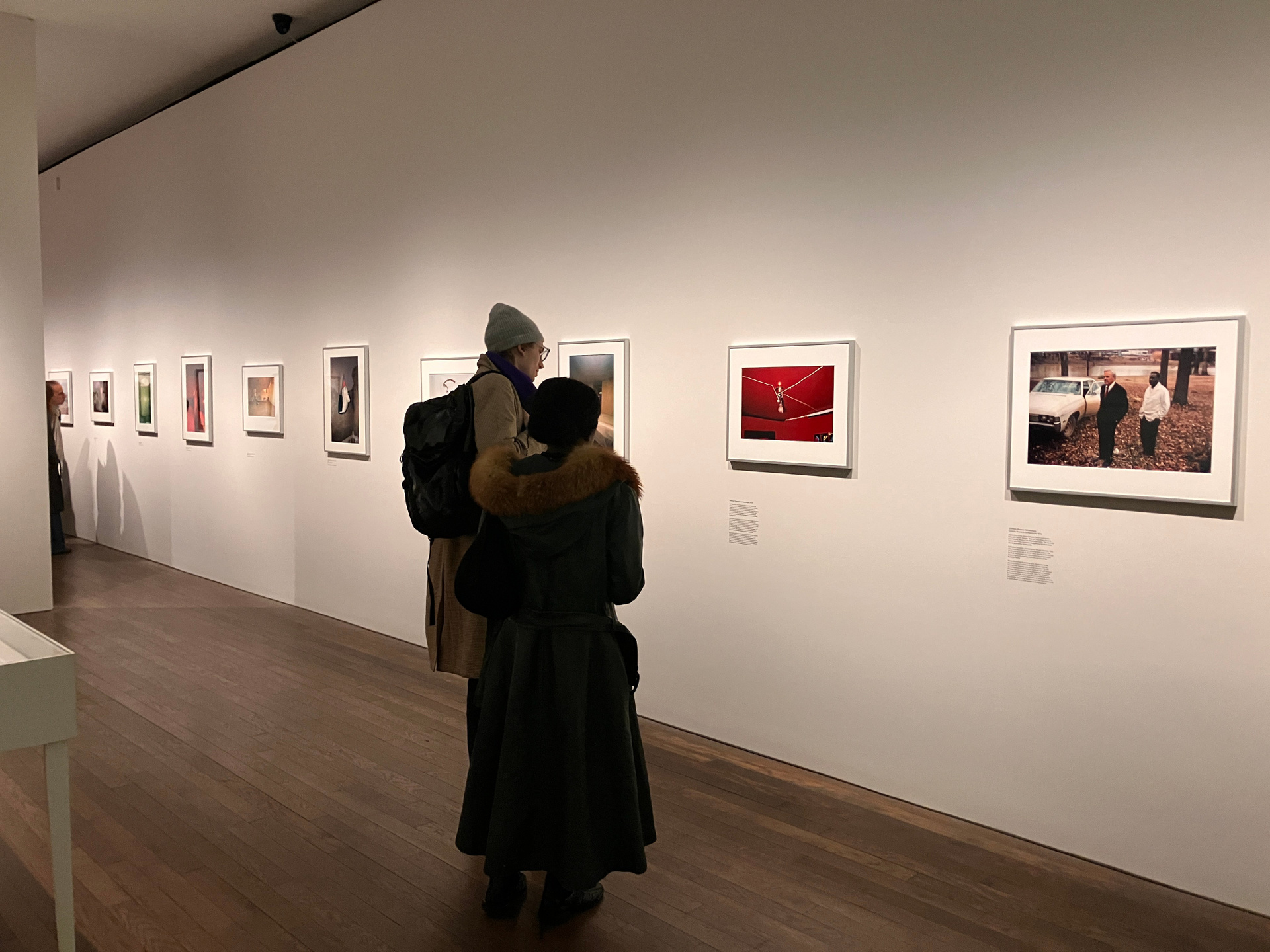
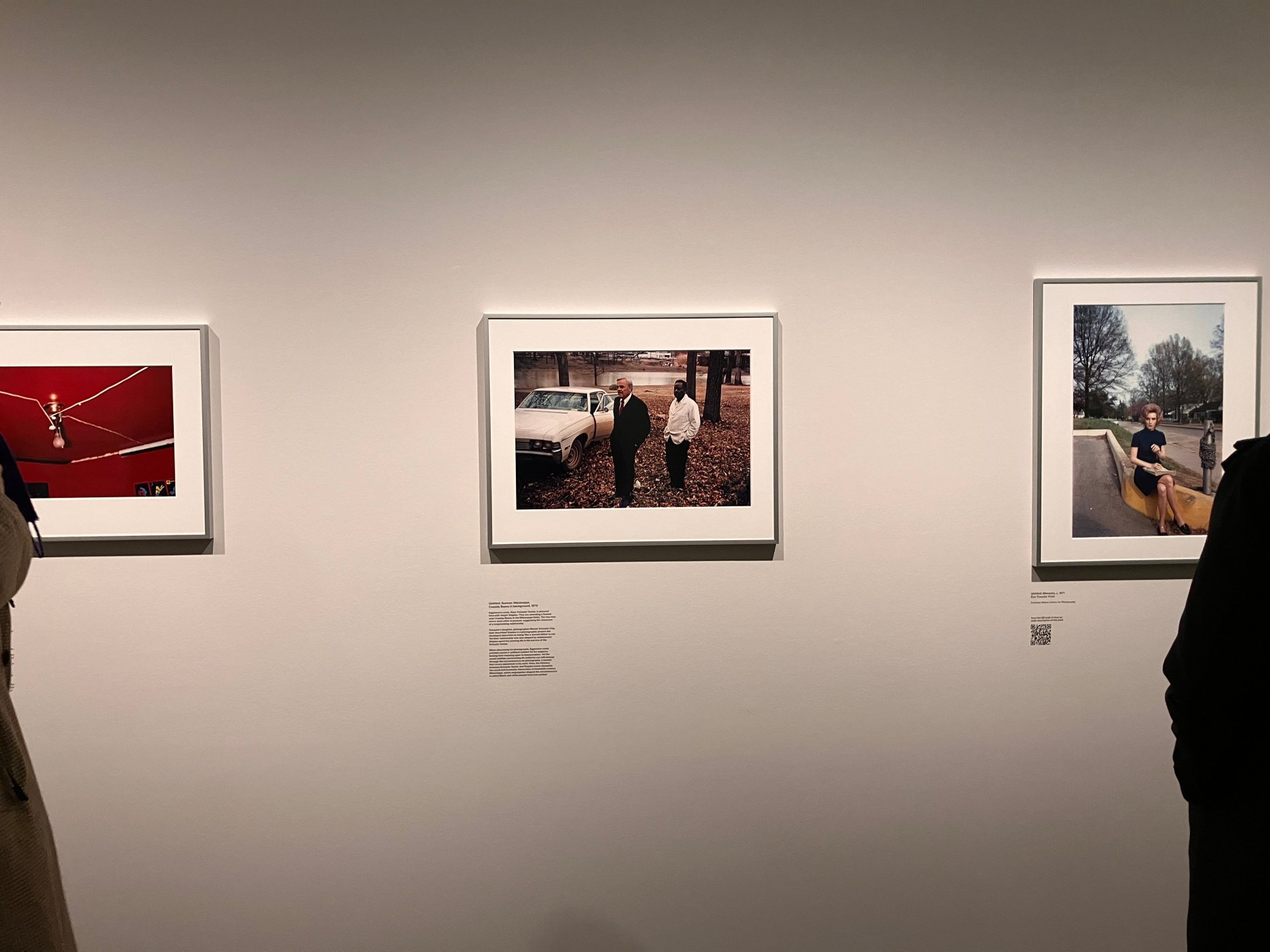
I really love his titles; they’re important to the overall experience too and create just the right harmony with the work: there isn’t really a title as such, but there is a space and a brief description.
Untitled, Sumner, Missisippi.
Cassidy Bayou in Background, 1970.
Untitled (“Boy and car), from the series…
Untitled (Man smoking), from …
Untitled (Naked C. on couch)
He took photos of things close to him: people around him, his family, friends, and all the places he naturally used to go to.
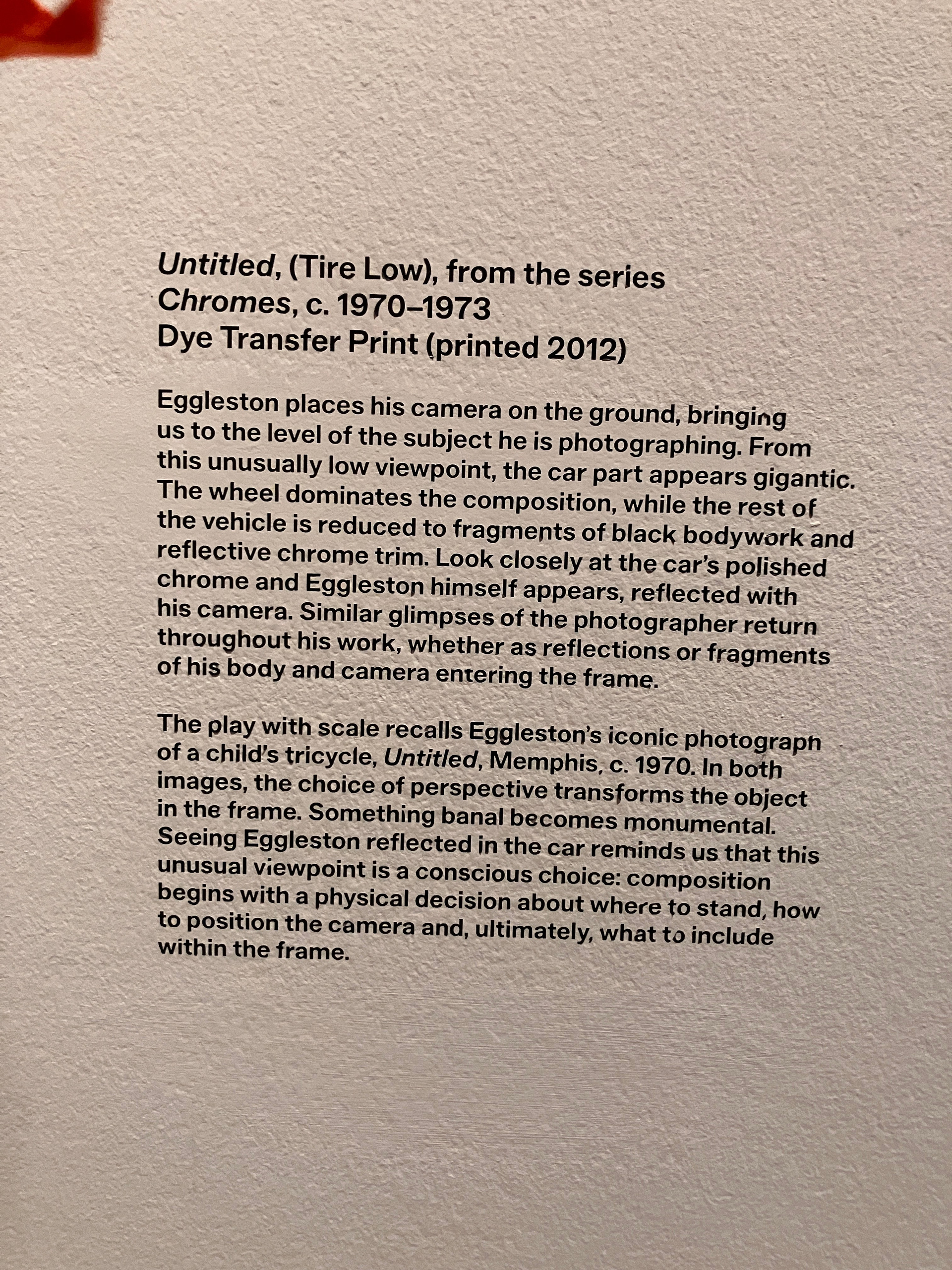
“А sence of Eggleston’s process of looking”.
“Photographed streets and interiors”.
“Testing how changes in position, framing and colour could transform what he saw”
It was thanks to him and his first exhibition at MOMA that colour photography was recognised as worthy of a place in museums. Before that, it had been regarded solely as advertising photography, whilst ‘art’ photography had been the exclusive preserve of black-and-white images until the 1960s.
It was recognised — but not his photographs!
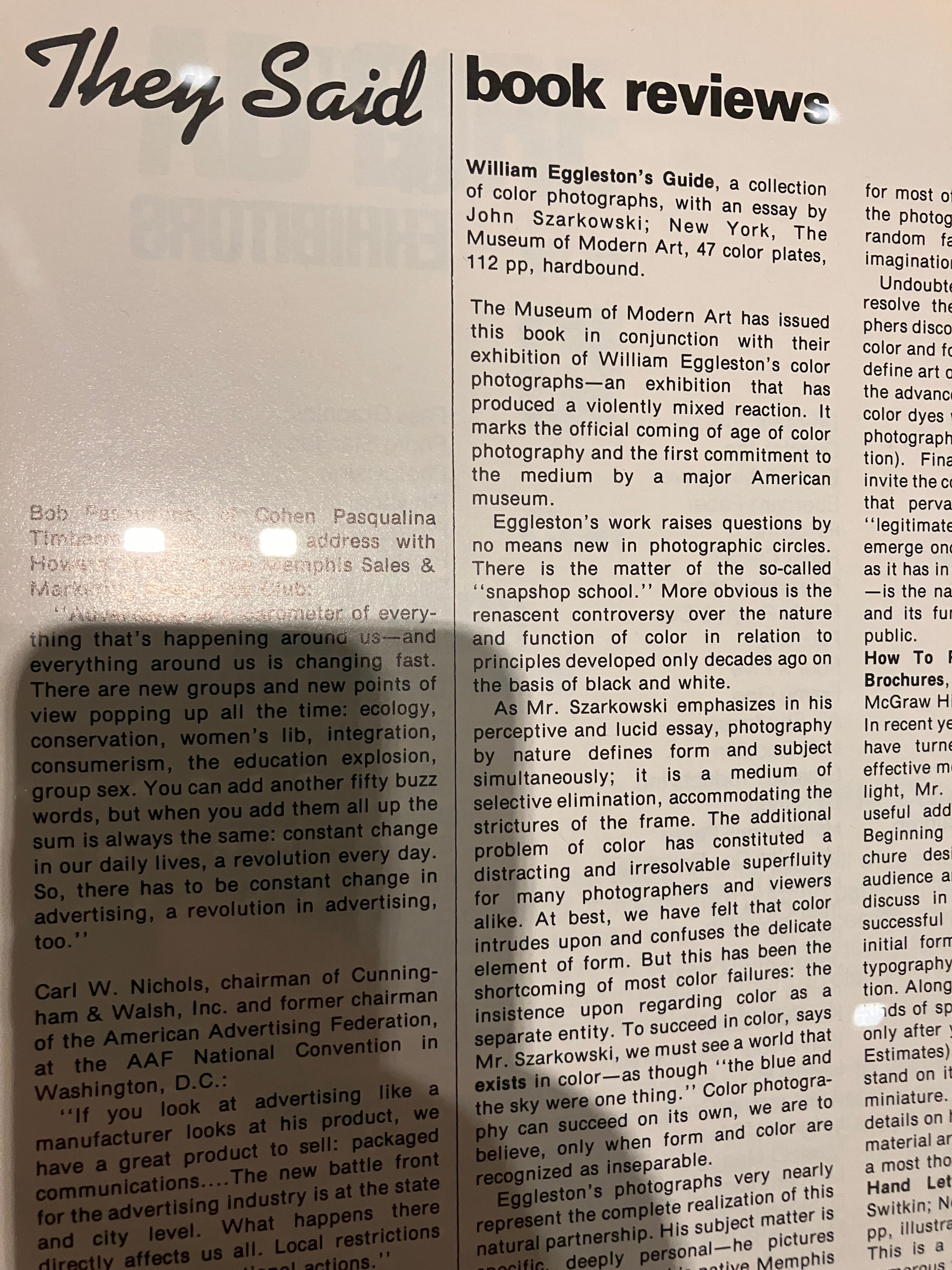
The gallery’s rooms are filled with old magazines, reviews and quotes — and it’s so, let’s say it, insightful to read about how the critics and the photography community rejected him, all these discussions about it being ‘unworthy of a museum’.
Year after year, everywhere this bloody rhetoric of ‘lowbrow, yuck’ goes on and attempts to tie the definition of art to the ‘highbrow’.
It’s funny that this very question — ‘Could colour photography be taken as seriously as a form of artistic expression as black-and-white photography? ’ — is not typical for a post-Soviet photography; there people usually chose to work with black and white simply because of the cost of film and developing, and as for art, photography wasn’t considered an art form at all. Simple as that!
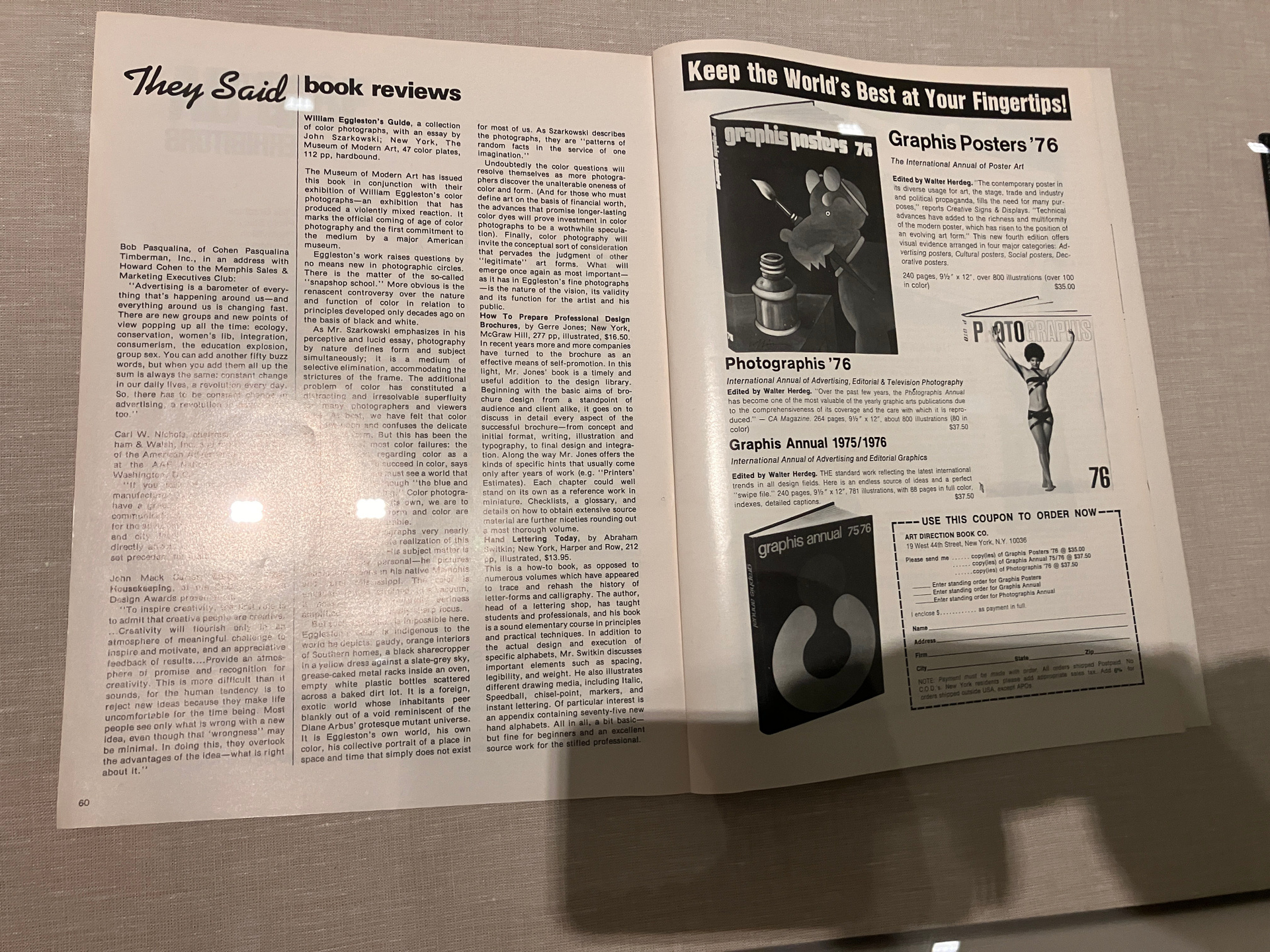
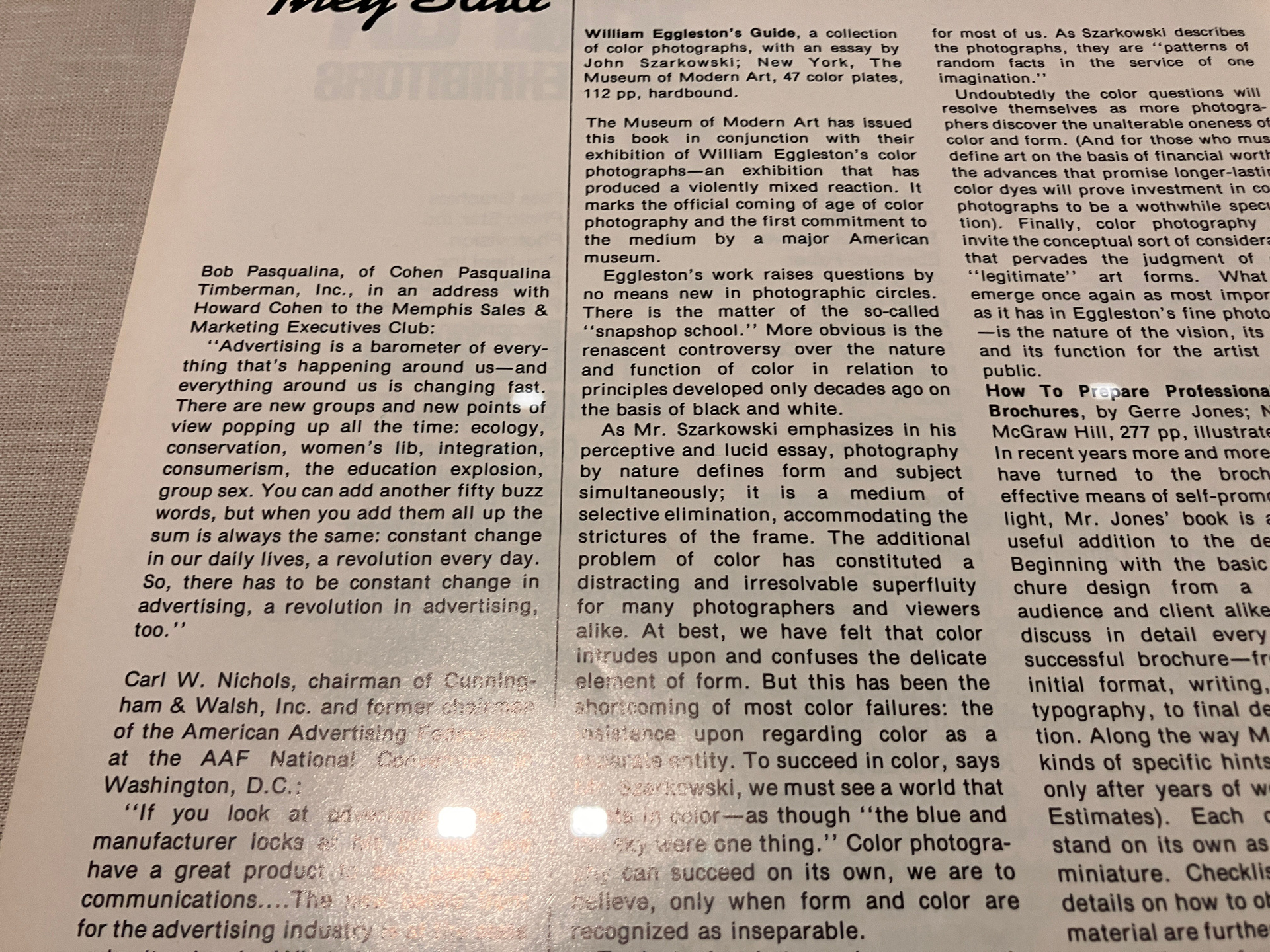
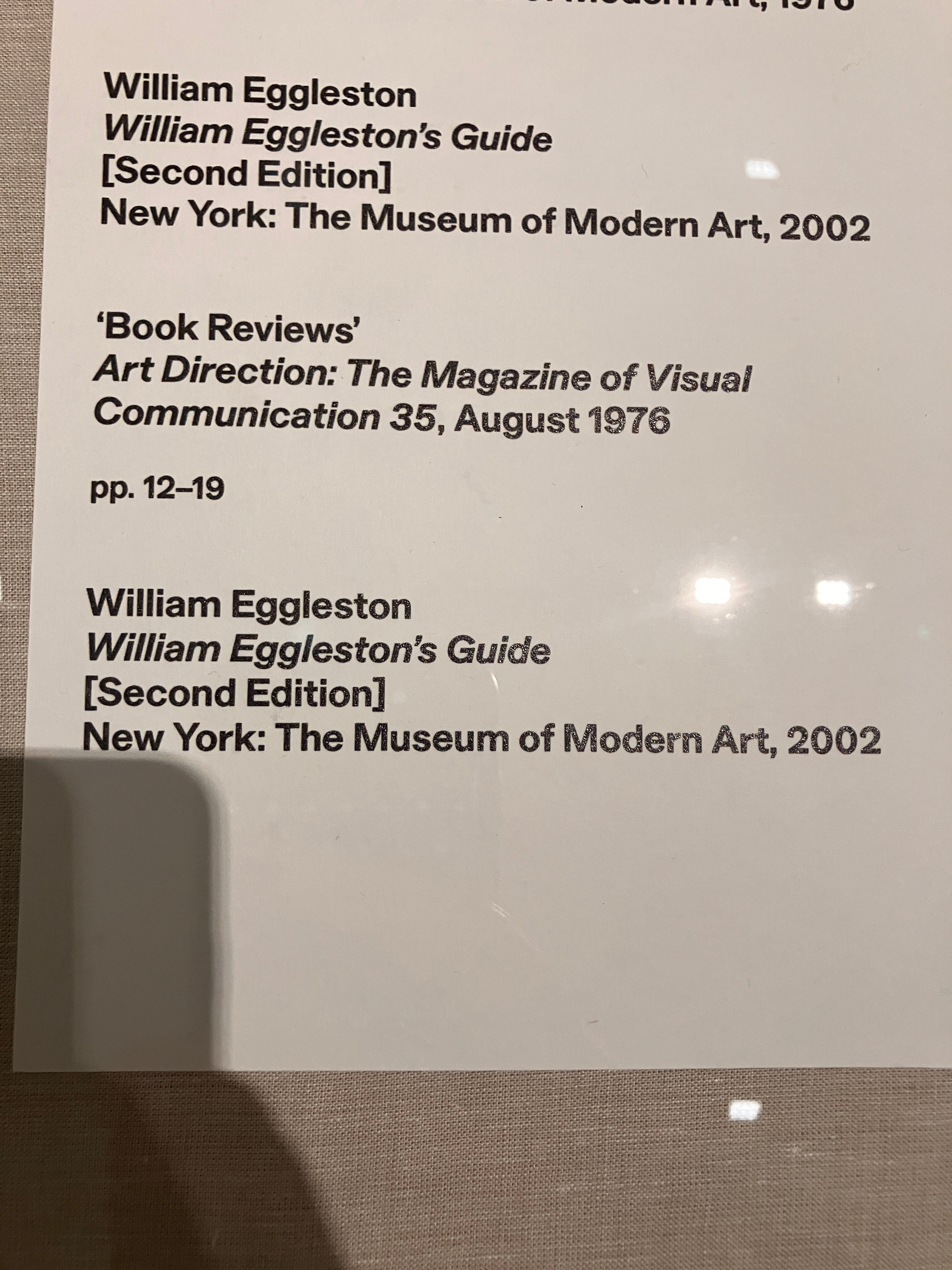
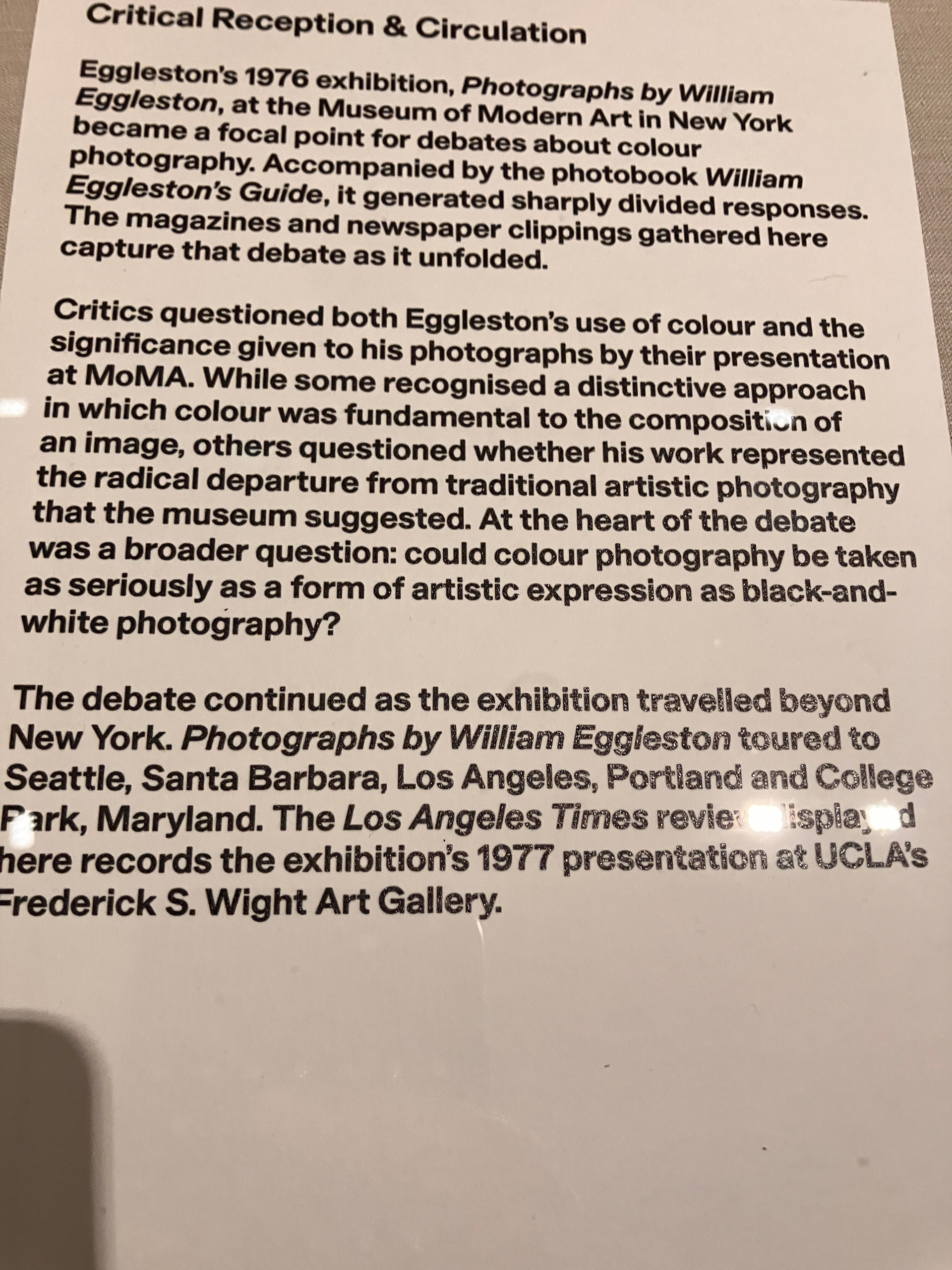
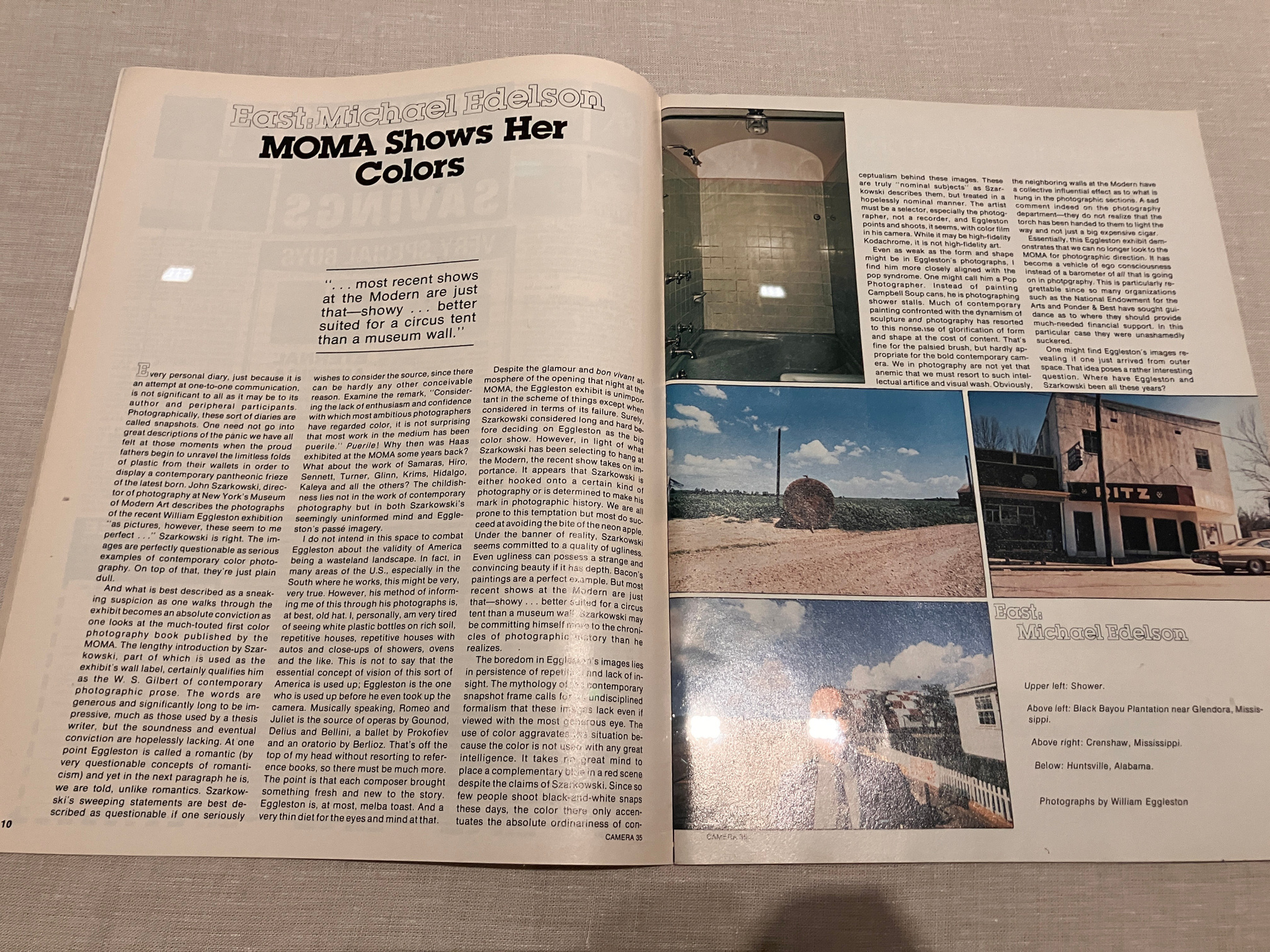
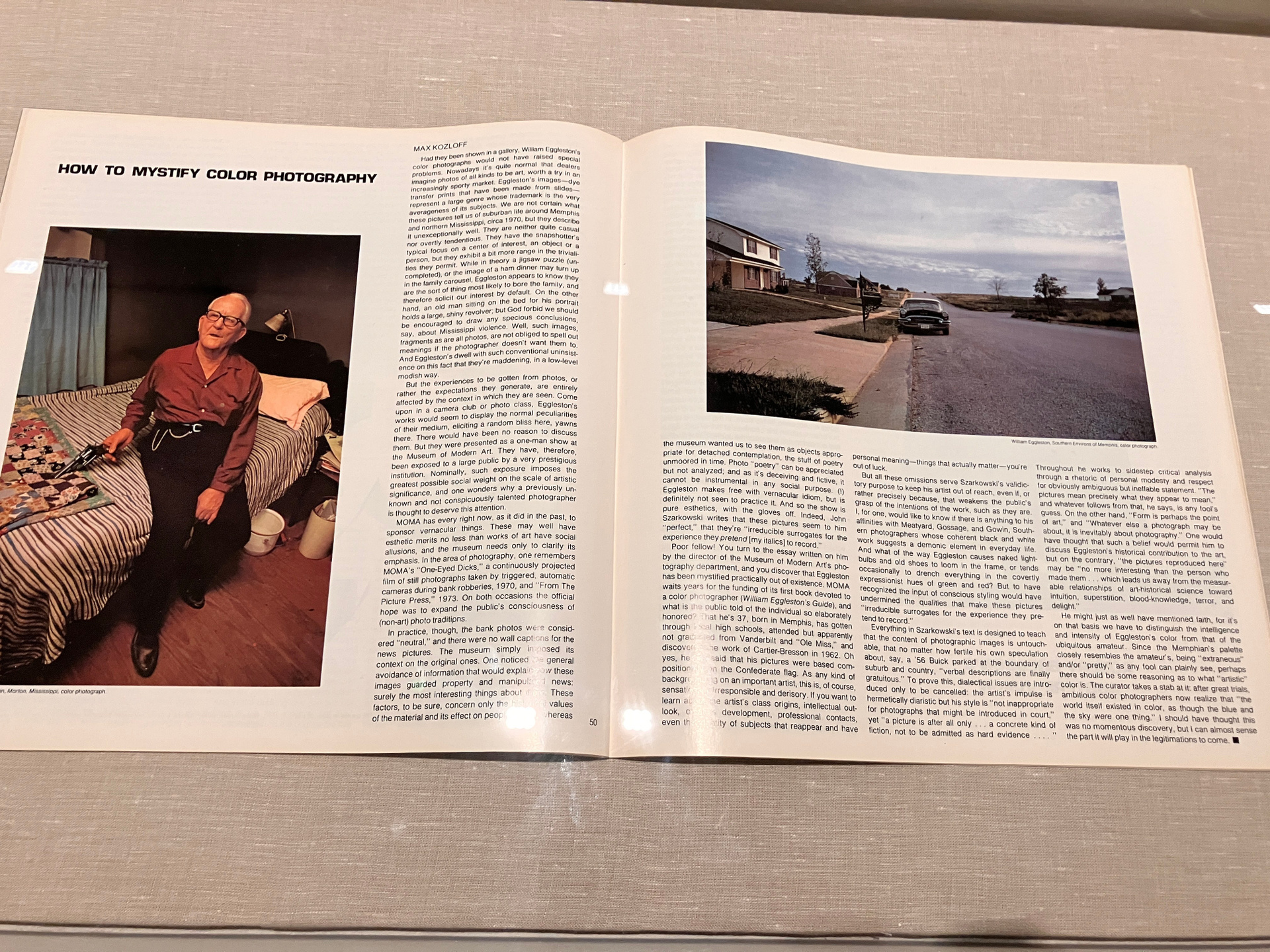
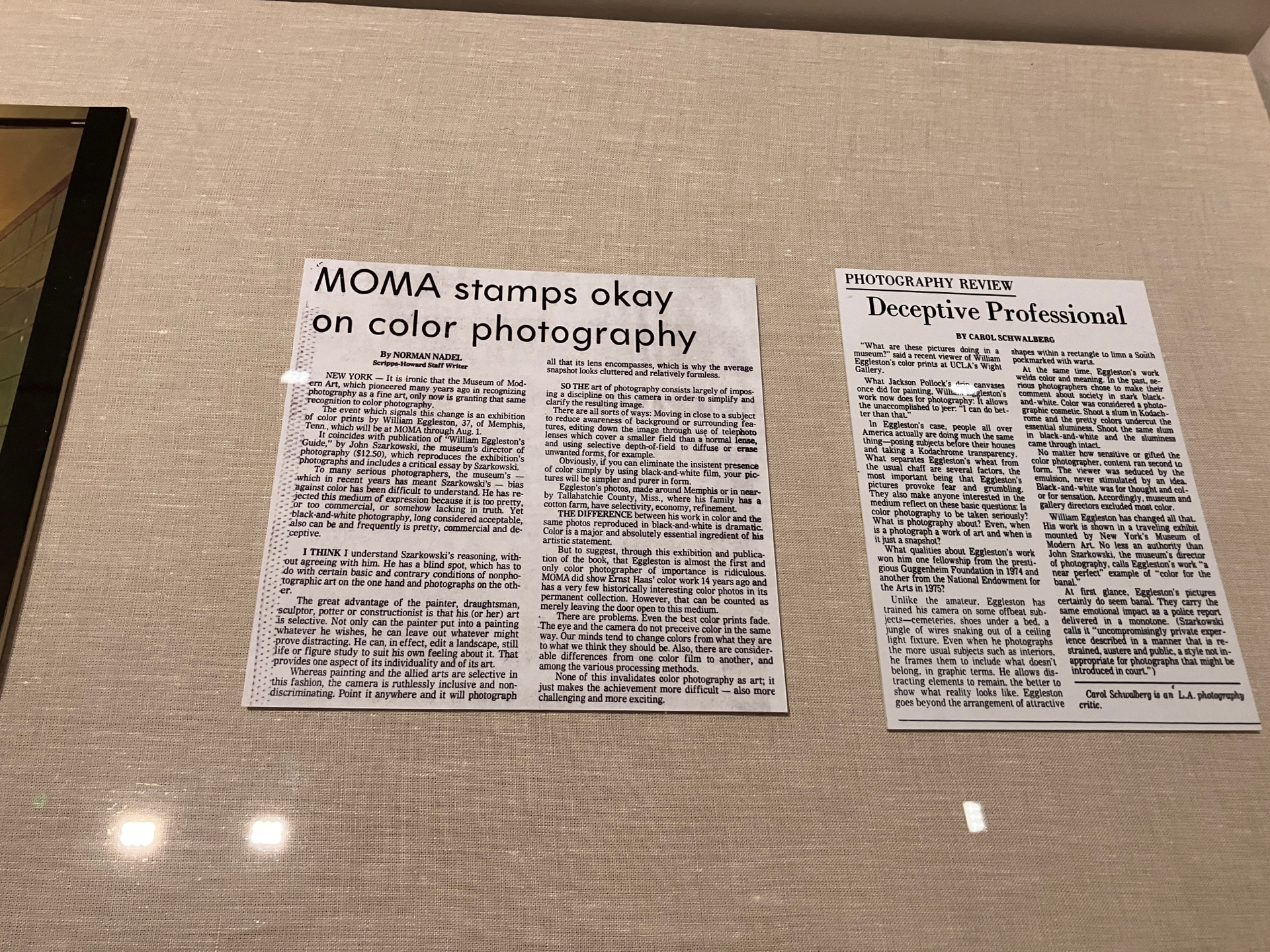
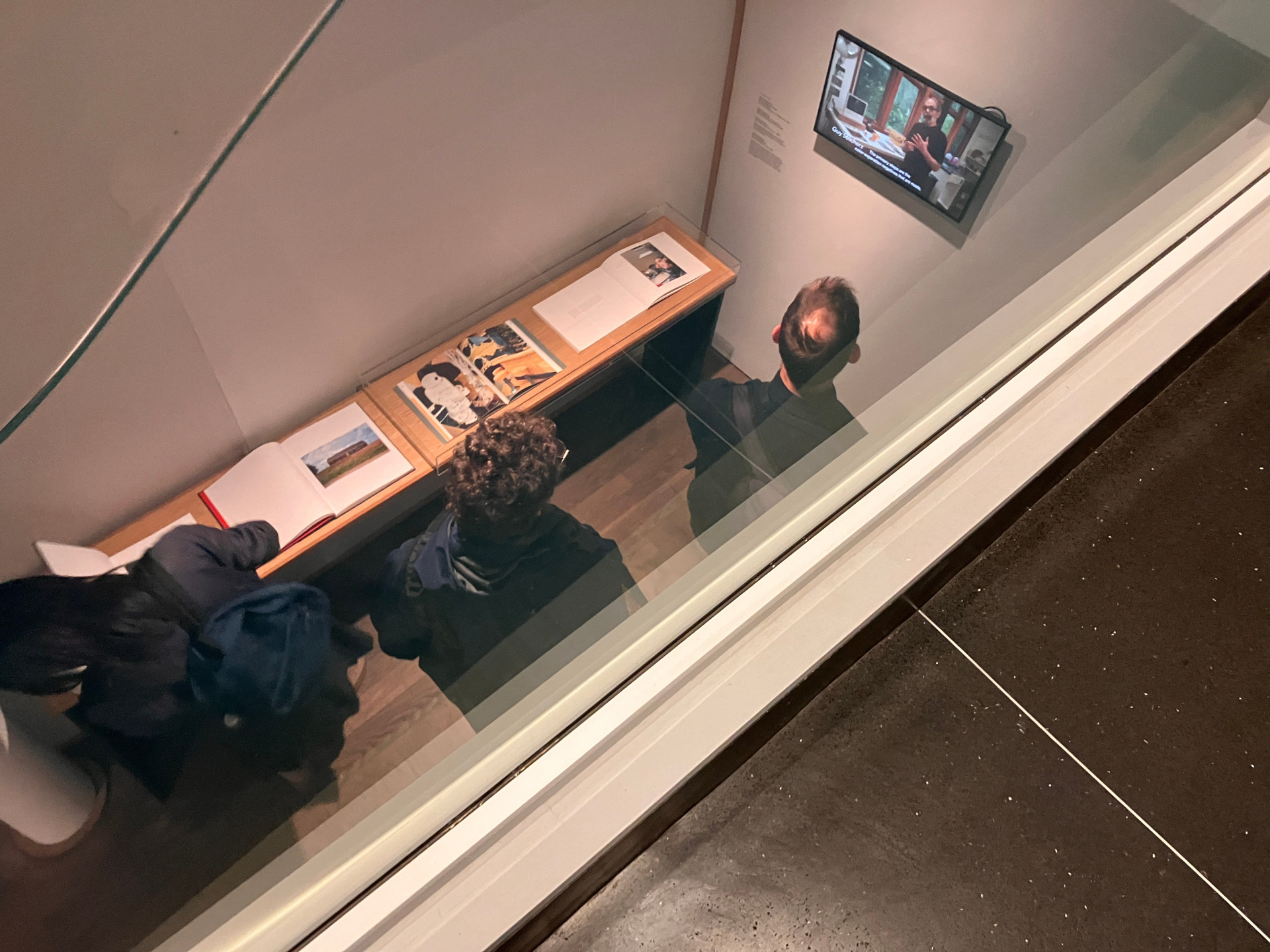
The exhibition features the very series that was on display at MOMA in the 1960s, as well as other works by him from various periods — he has so many of them that even such a large exhibition could not, of course, accommodate them all.
Eggleston was also a musician (I didn’t know that). Jazz, and other experimental genres. You can listen to his music here on the gallery’s website, or on any music streaming service — on Spotify, for example.
I was amazed at just how varied his music work is, and also that there were some tracks amongst them that even I recognised.
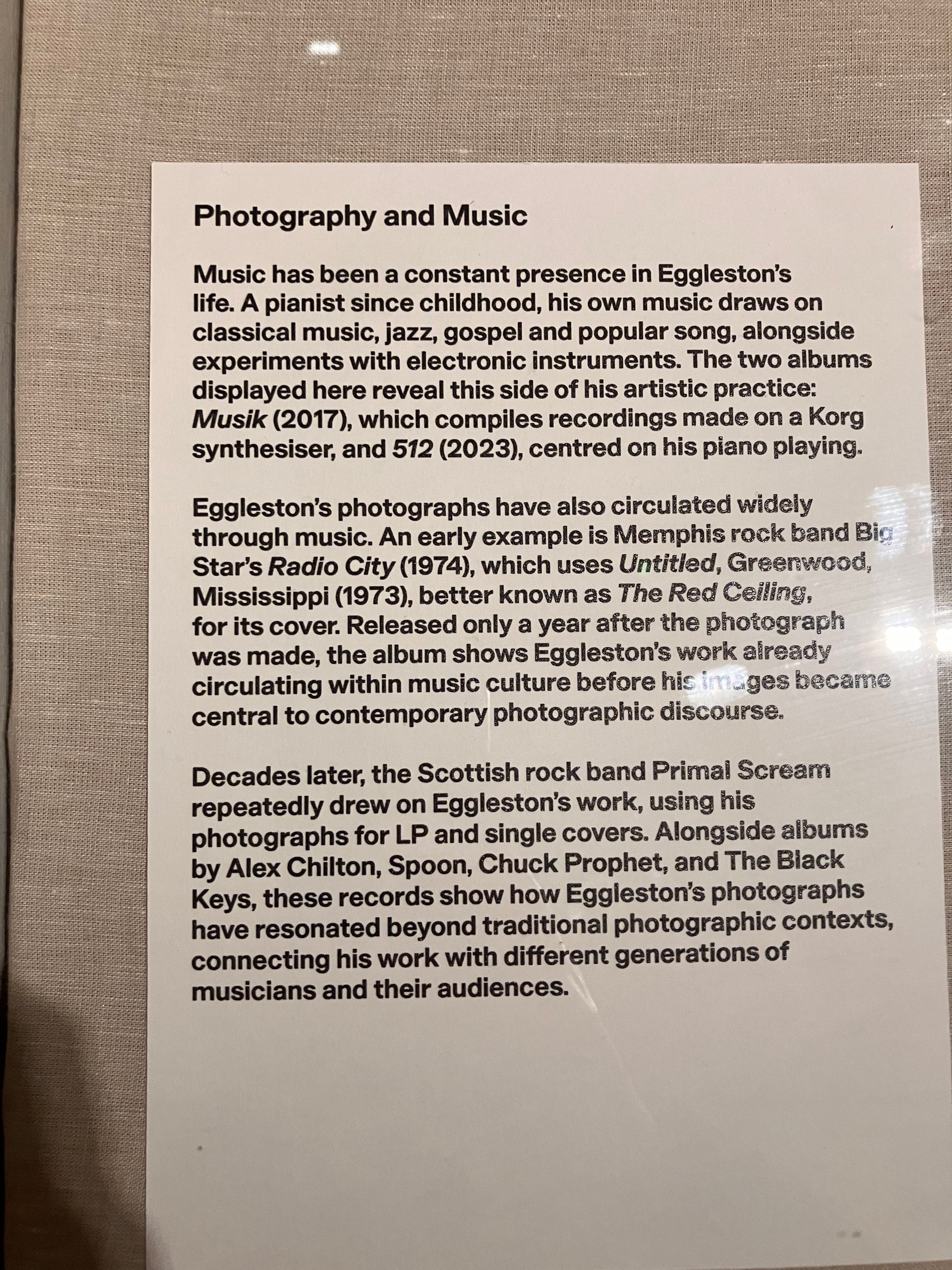
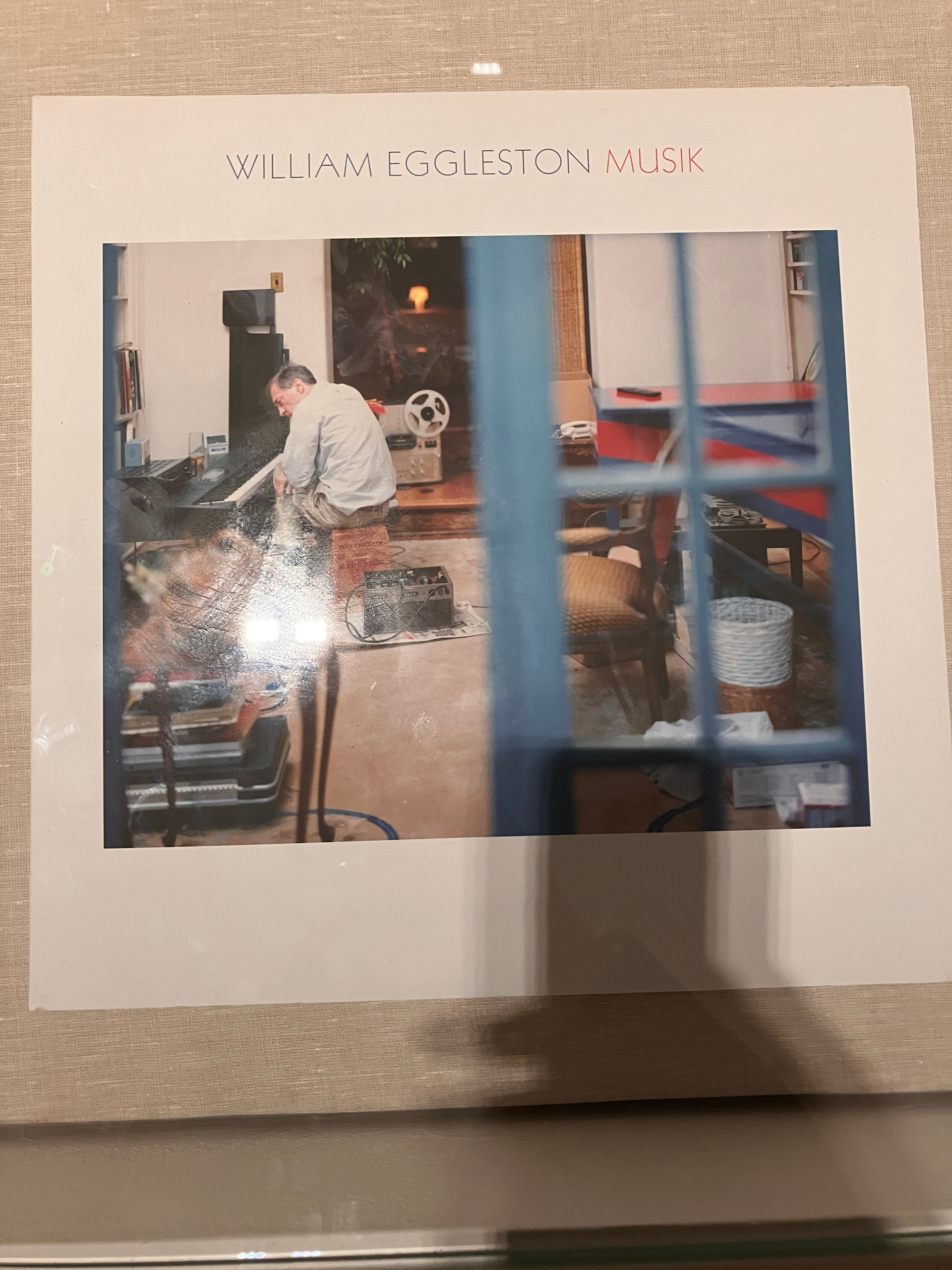
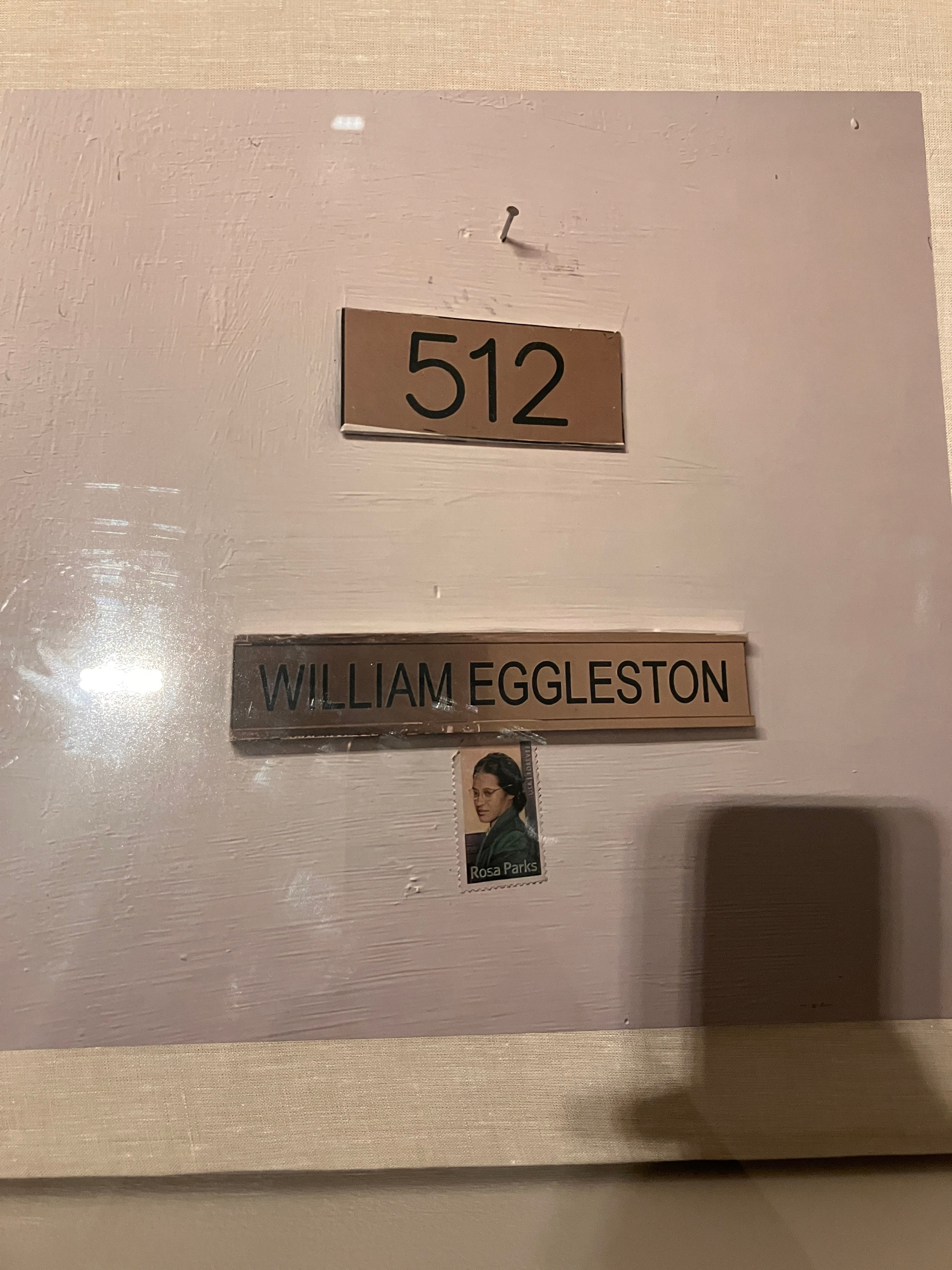
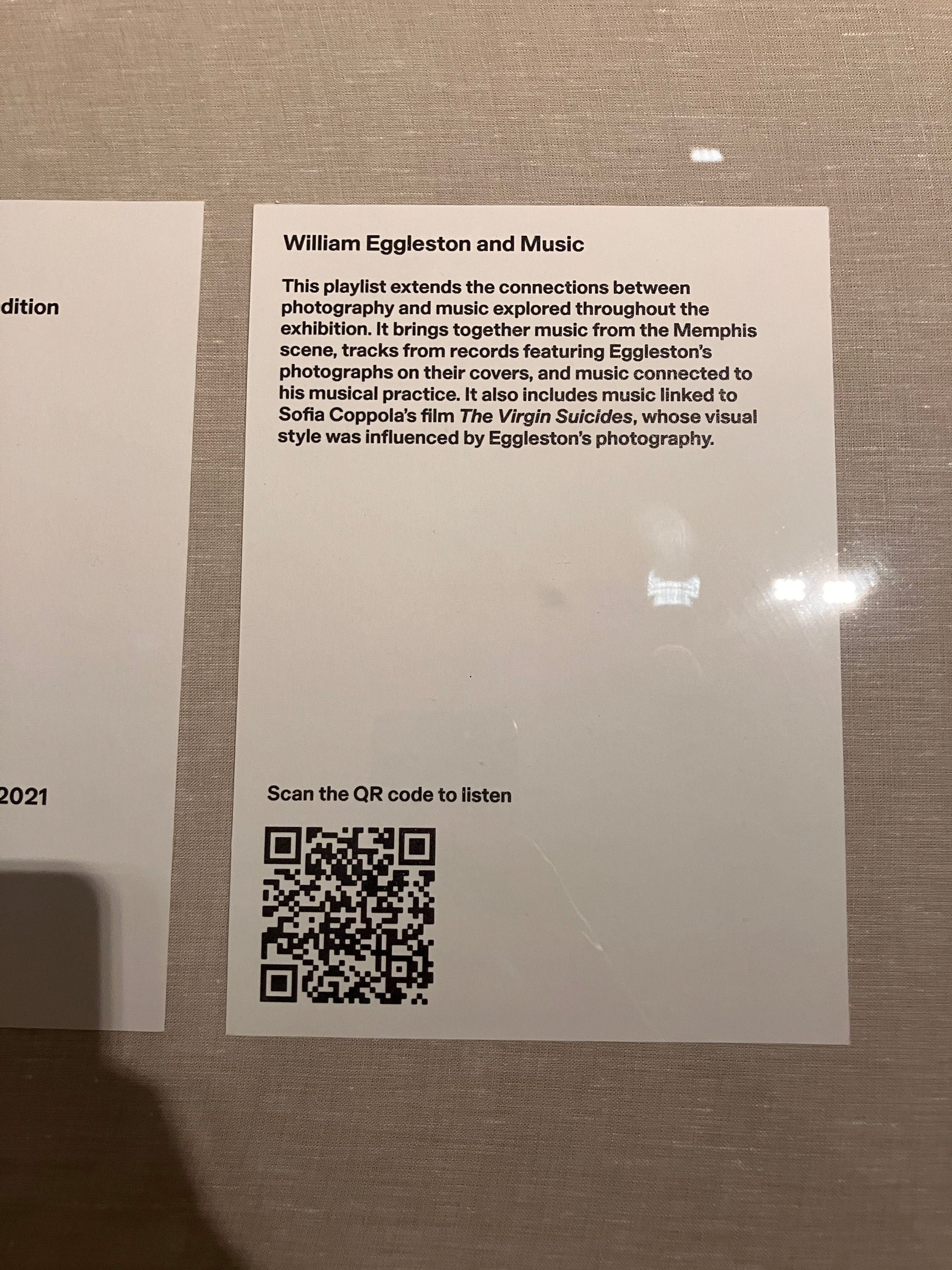
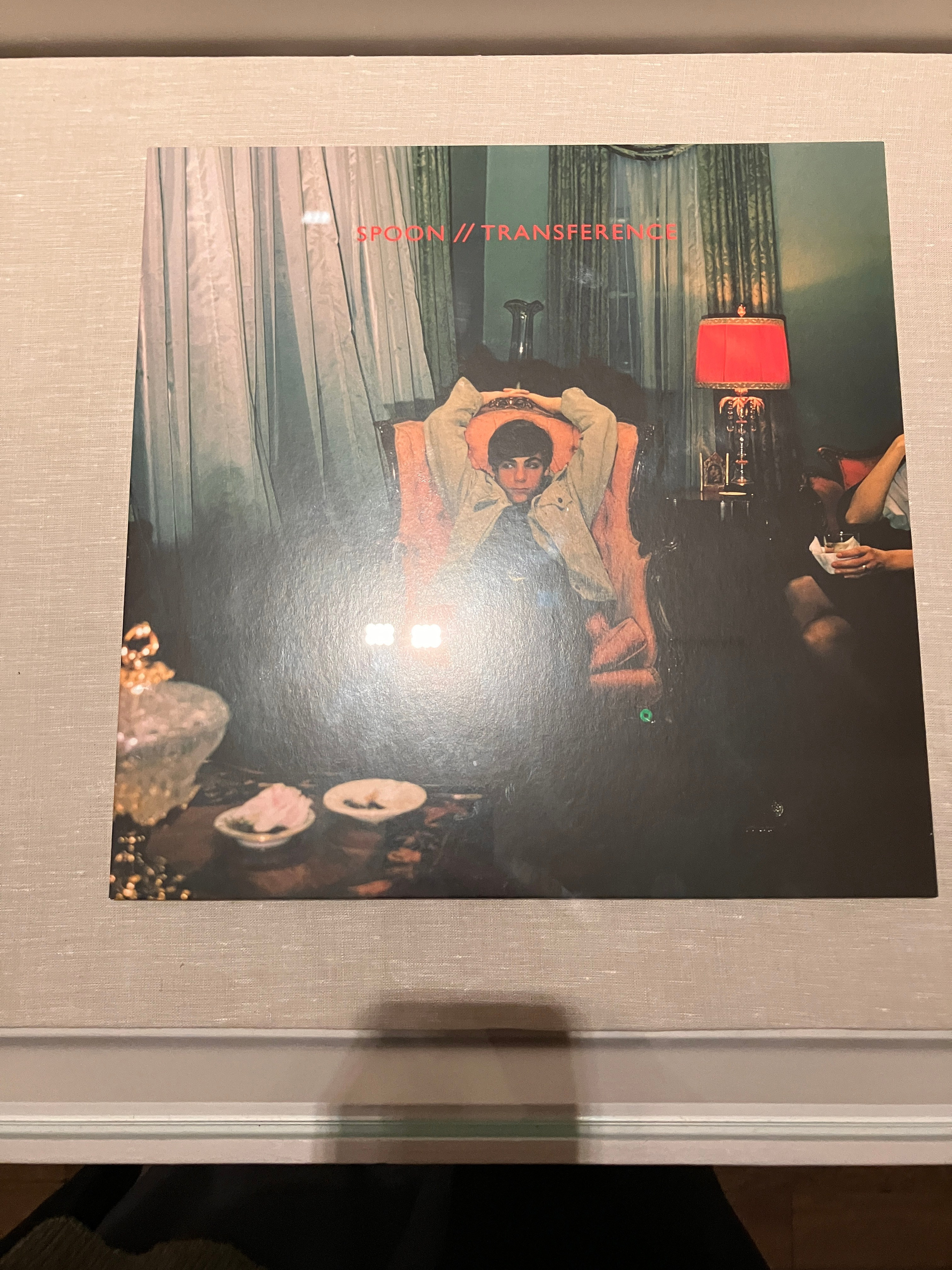
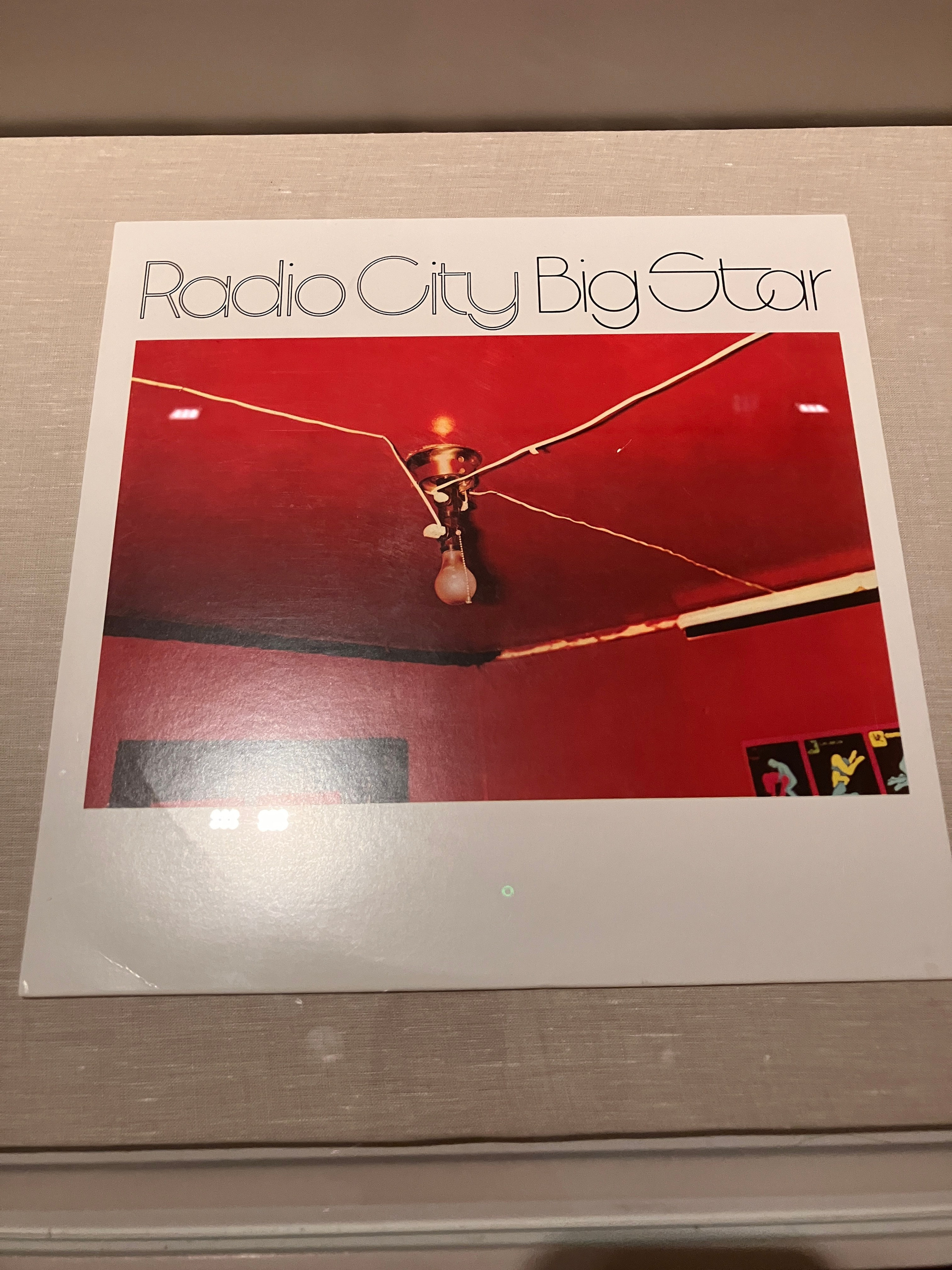
As is always the case with major exhibitions at this gallery, the exhibition spans several floors; his commissioned works are displayed separately.
And just as with Pinkhassov, who works in exactly the same way on commission through Magnum (as evidenced by his absolutely divine shot of some conference, whether at the United Nations or elsewhere — cables, heels, chairs) — well, so just as with Pinkhassov, I’m absolutely in love with the fact that Eggleston worked in his own unique way even on commissions. After all, that’s why he was hired, yes — but I understand very well the value of staying true to one’s style and not trying to make commercial work ‘neat and straightforward’.
His shoot for Coca-Cola (photos 1 and 2) doesn’t look like an advert, just as the shoot at the house where Elvis Presley lived (photo 4) doesn’t look like a tourist brochure. Rather than simply being a souvenir book for the museum, it became, in his hands, an expression of American aspiration, not only a tribute to the musician. And that’s kinda the point.
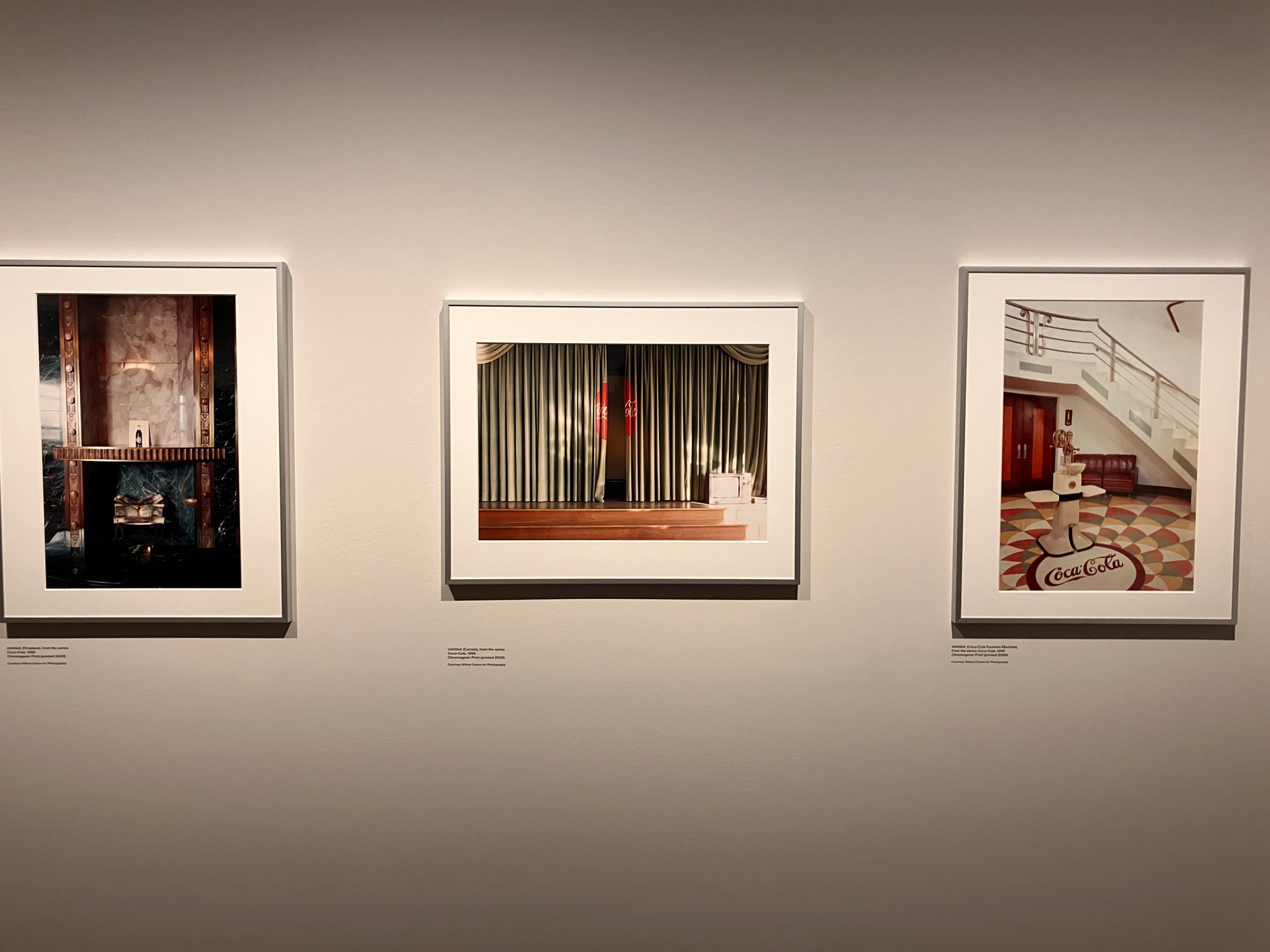
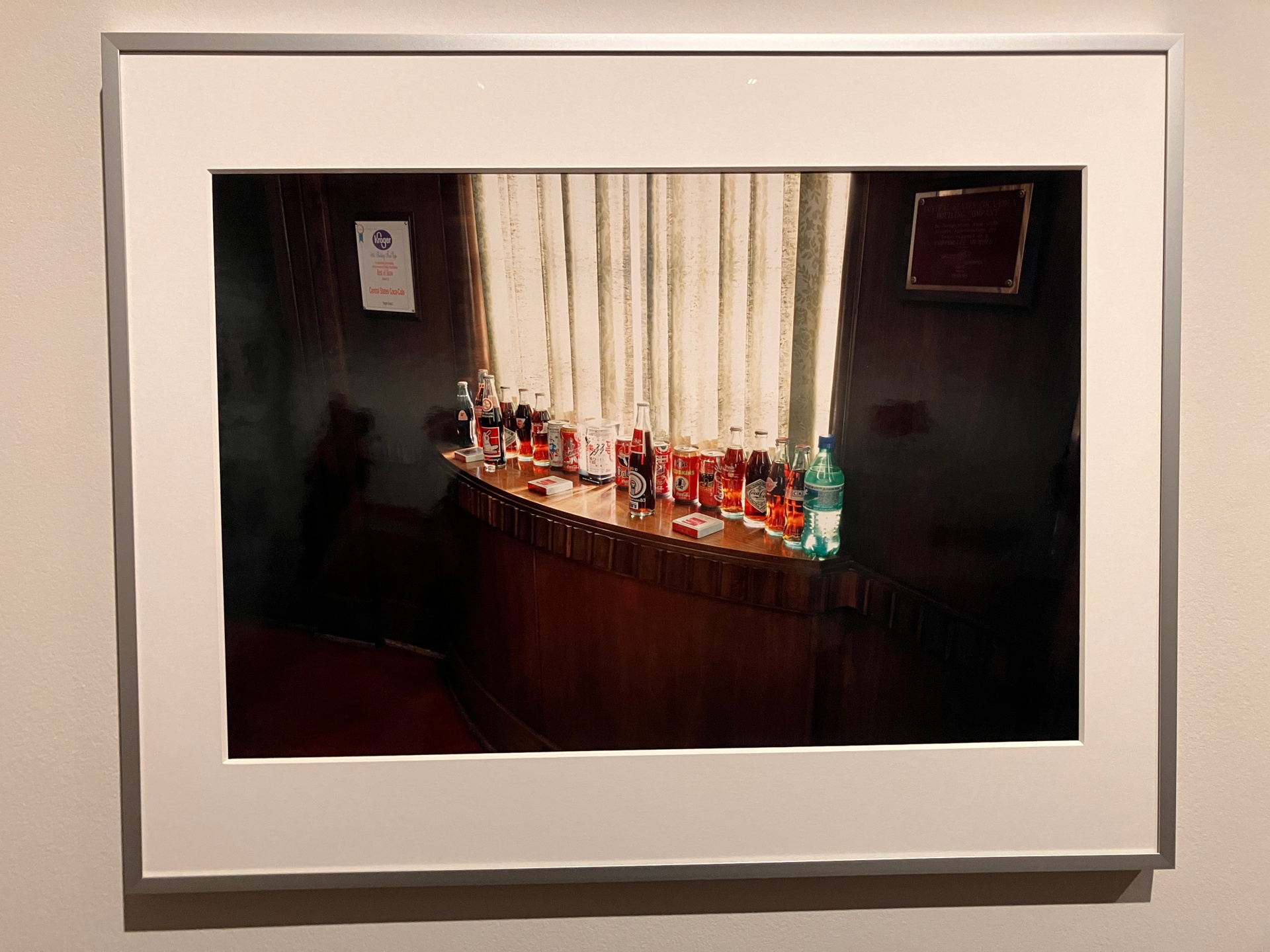
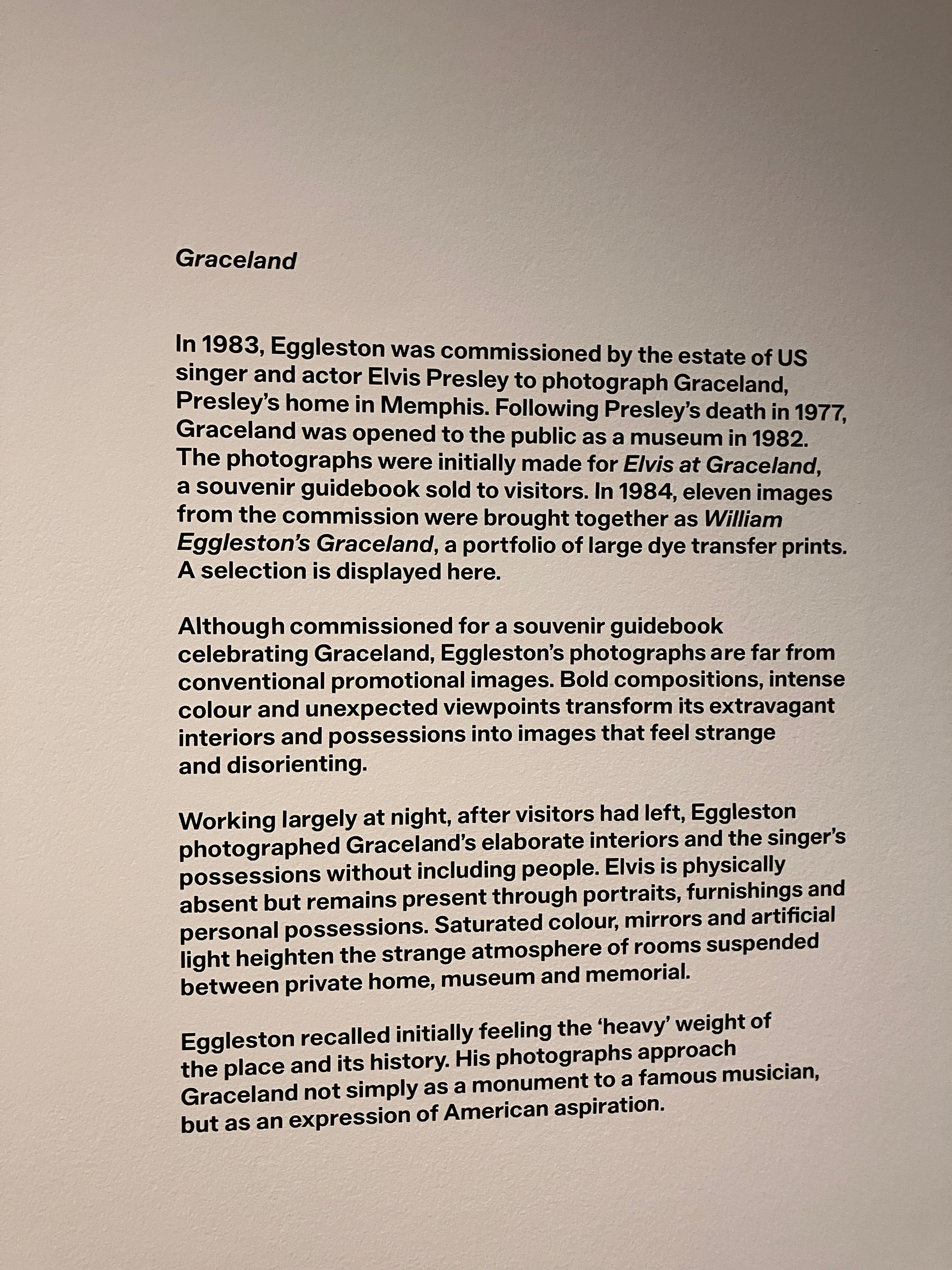
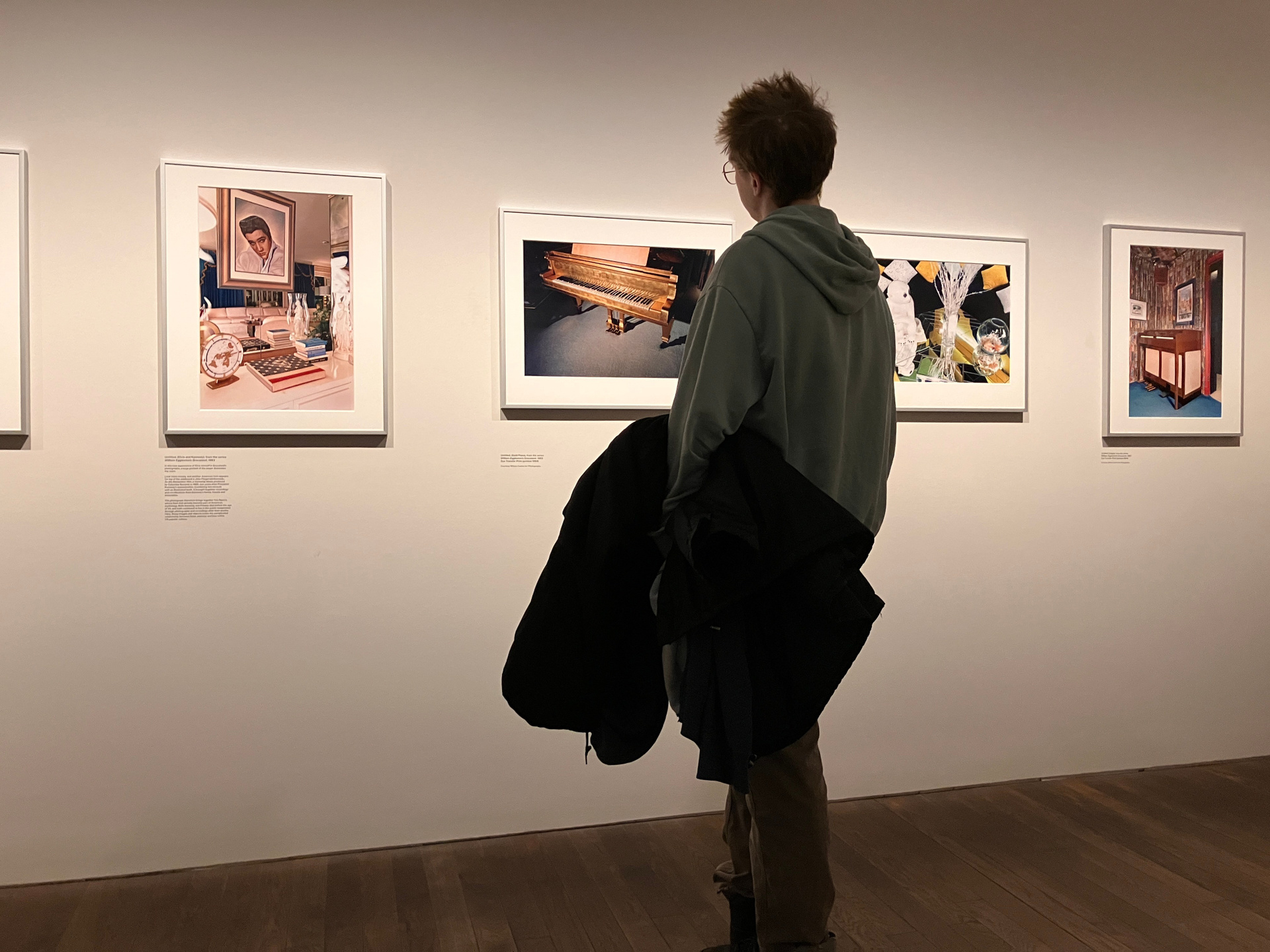
He could sense the heavy weight of place (he mentioned it himself). “People appear absorbed in their own activities rather than performing for the camera”.
It’s also interesting to see just how much it’s influenced by the camera — “working with a small, hand-held 35 mm camera”.
(I feel a sense of kinship here)
And also I, for one, find medium format far less appealing for him (it’s in the photo below, shoot with Hasselblad). The description states that, with the Hasselblad, he was able to achieve by striking a balance between landscape and portrait, “to move between documentary and abstraction, giving equal weight to people, objects and their surroundings”, but I must beg to differ. The cinematic style and the compositional interplay of lines are lost, as for me, and this deadpan approach is introduced, which I really don’t prefer.
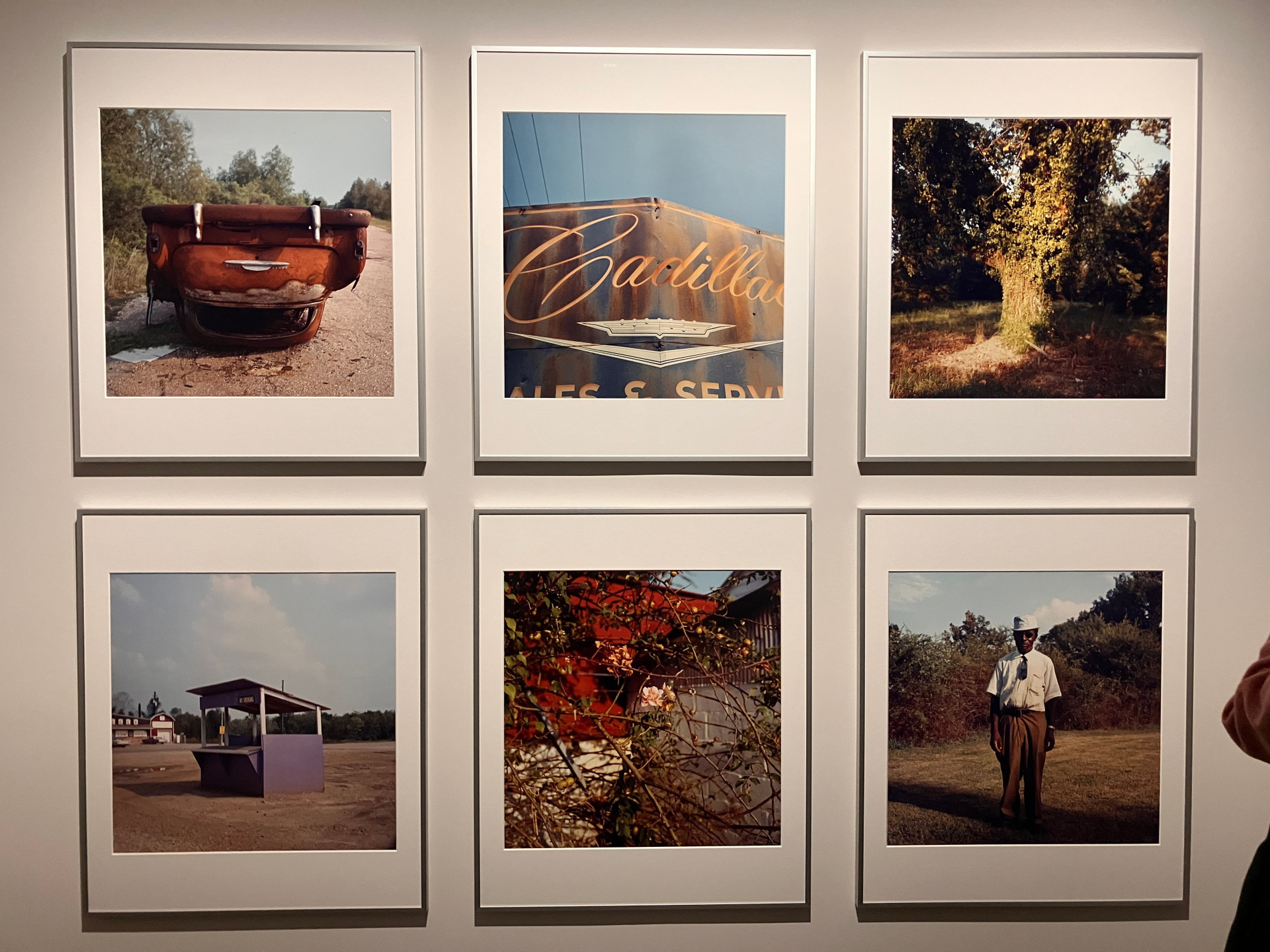
Like scenes from a film — that’s how I’d describe his photographs — but not a genre film at all, or perhaps Lynch? Or, quite simply, short festival films. And straight away I come across the phrase: ‘Eggleston describes Los Alamos as “fragments of a novel”, inviting viewers to construct a narrative from images that remain deliberately disjointed whilst seemingly insignificant details recur’.
Yes; apart from short films, I would compare his work to short stories — contemporary stories, not O’Henry at all — where the essence of the moment is what matters, rather than the scene, the plot or the characters.
And it’s also interesting to realise that his work ‘helped shape an enduring visual idea of Americana, influencing how generations of photographers, musicians and filmmakers imagined the United States’
An imagined America, an America that never existed and which he conjured up and brought to life through his photographs — or did it actually exist, and did he simply evoke the genius loki, acting as medium and allowing it to manifest itself through him?
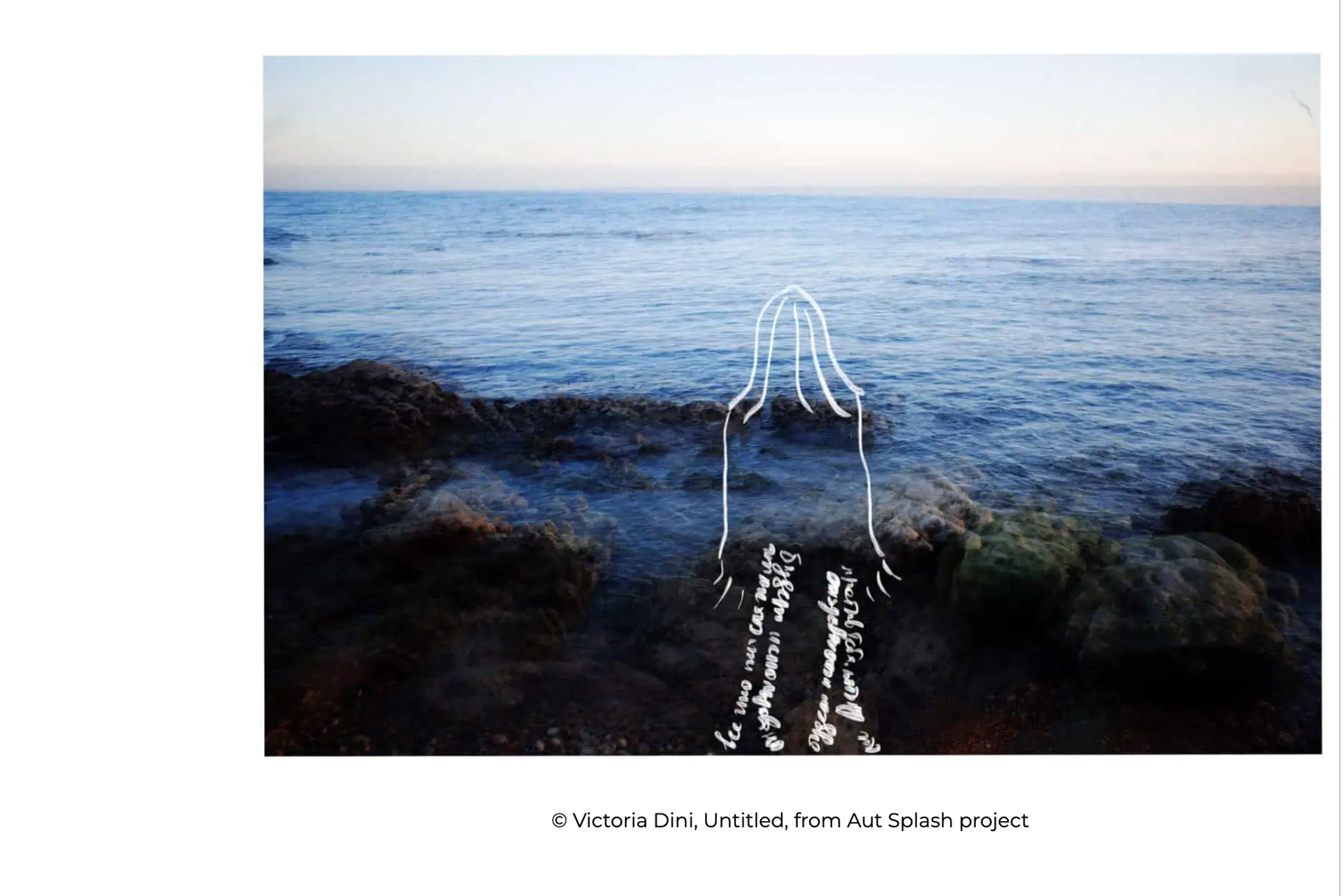
My work has been selected for a group exhibition at Griffin Museum of Photographу