I came across this book quite by chance — either at the biggest book swap in history, which was organised in our town last summer, or at a Secret Santa event in a Silent book club (yes, I lead a very full life as a bookworm)
But I was convinced it was simply the romantic adventures of the heroine, a modern city girl, as she went on dates and explored her sexuality. The blurb talks about Fleabag-level dirty jokes, about the book being ‘sexy’ and ‘funny’ and so on, and what I simply couldn’t grasp from either the blurb or the description was that the book is actually about a late-blooming lesbian and the abuse she experienced in her first lesbian relationship. Bam!
Although she’s not really that ‘late’, to be honest. The heroine is in her 20s, lives in London, has a string of casual flings with men, feels no real excitement about them, suffers from an anxiety disorder, and then suddenly, during therapy (which is cheap and rather rubbish, by the way — and the heroine admits it herself!) they accidentally uncover that, actually, she had thought she might be bisexual back in her early teens, and mayyyyybeeee…
Yes. It’s happened to the best of us (or the worst, well, yes — to me!), she’s not bisexual at all, she’s just a lesbian, and that’s how her journey of self-discovery begins. And it’s fun! It’s fun coming out to your pretty modern parents who won’t even let you have a proper coming-out — “You’re not going to tell us you’re a lesbian, dear, are you? — Actually, I do!” It’s fun to explore the different ways in which gay women express attraction and flirt, how lesbians have sex differently, how it all works and just how popular among women she turns out to be (very, very familiar).
There are plenty of difficulties, too. Even so-called ‘modern’ parents turn out not to be all that modern after all and struggle with their own homophobia (“It’s all down to that Catholic upbringing, for goodness’ sake”). There are plenty of difficulties when it comes to understanding oneself and finding partners, not one night stands.
But the main challenge lies ahead, and it’s called an abusive relationship — manipulation, emotional abuse, involving polyamory against the heroine’s will, and eventually physical abuse… And we plunge into it at full speed, with a sense of ease and flirtation — bam! — and we’re already in it up to our necks, and there’s no way out, because oh, it’s love, because the sex is just so, so, so good! Just like in real life.
Thank goodness the book has a happy ending, and I’m so glad it exists — such a cheerful little book with a light-hearted cover — because, yes, unfortunately, this sort of thing does happen, and it’s not uncommon, and it’s good to be aware of it and talk about it. Lesbian relationships aren’t made in heaven; being queer isn’t enough to turn everyone into an enlightened and wonderful person. Lesbian relationships are, after all, relationships between people, and people of any gender can be proper jerks. And toxic masculinity is always toxic, regardless of the gender of the person exhibiting it — and it could easily be a woman. All the signs will be there; we’ll just choose not to recognise them, because she’s a woman, after all — so does that mean it’s different?
No, it’s not different — it’s exactly the same, and it doesn’t hurt to talk about this again. Not just through highly artistic prose, as in Carmen María Machado’s The House of Illusions — but also like this, in a simple and funny little book.
Among other things, what really captivated me was that the text features a city — London — which I love dearly, and whose boroughs I’m also very familiar with; I recognise them straight away, as they all have a distinct presence here.
Also for me this book is full of revelations about the life of an ordinary English clerk who works for the government and replies to letters from members of the public, and about how drugs are present in absolutely every stratum of society. Any party? — of course, they’ll get high on something, that’s just how it is. And then the ambulance doctor will be lecturing them about how, because of you young people, the NHS services are overburdened — so stop messing about.
But the reason I want to, ahem, erect a proper monument to this book is for its wonderful description of lesbian sex. Yassss, girl, thanks for the visibility!
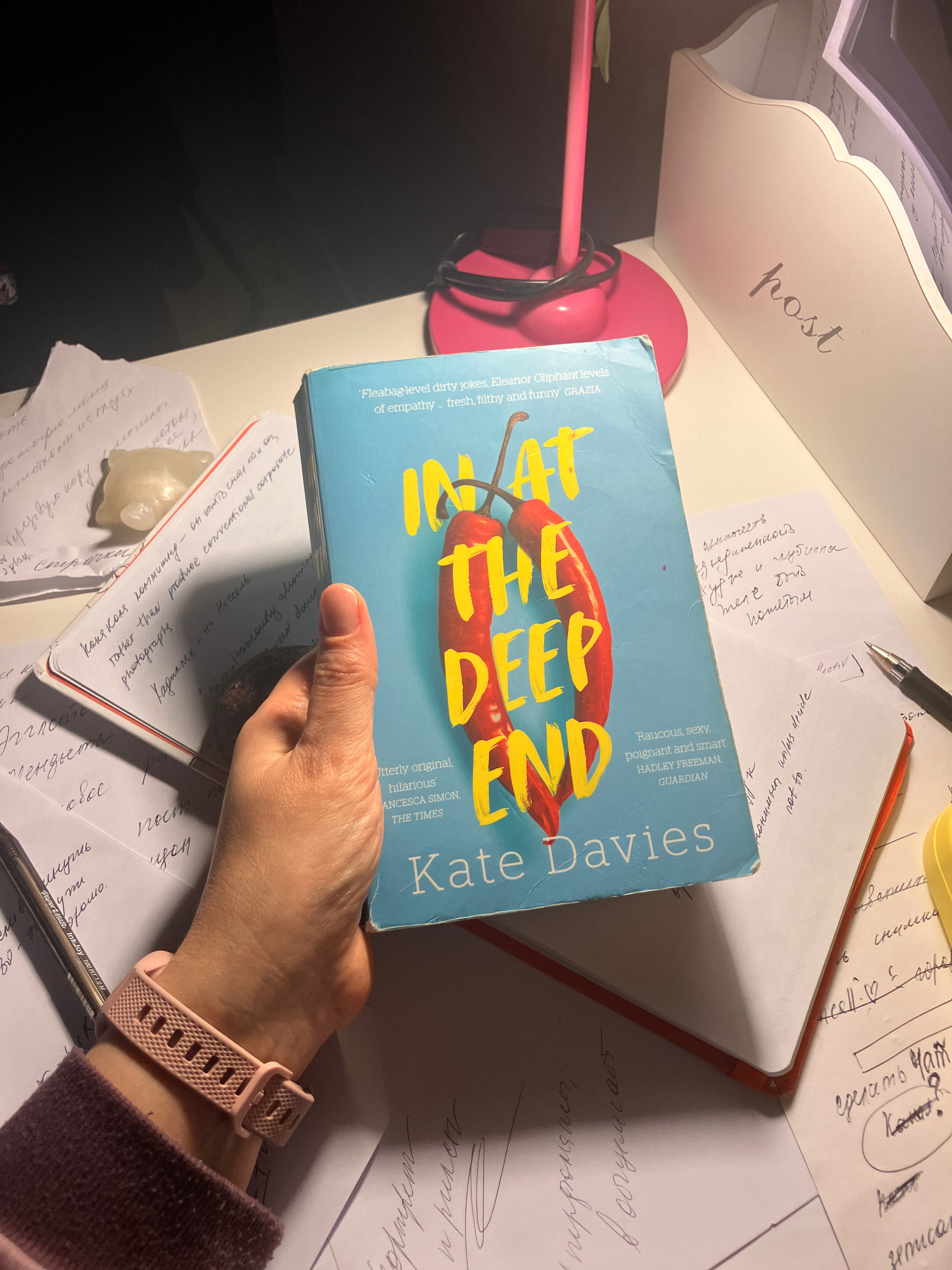
Some quotes from the book:
He had a very passive-aggressive management style — that’s what I’d have liked to say in the annual Staff Engagement Survey, but our team was so small I thought he’d trace the feedback to me and passive-aggressively punish me for it. Probably by making me answer all the correspondence about Brexit.
Former bankers were the worst for trying to make the Civil Service more efficient, which often meant getting rid of people and cutting 'luxuries' such as having enough desks for people to sit at.
- Hey! This means we’re both minorities! You’re a bit less privileged now!
- You’re right! — I said. I looked forward to being a lot more self-righteous on social media, now that I was a lesbian.
It wasn’t the place badly paid public-sector employees went for dinner. (…) She was an artist, possibly the only job that paid worse than mine.
'How can you afford the rent? ' I asked. I didn’t know anyone else who lived alone.
'Don’t think I’m always going to let you touch me, ' she said. 'Sometimes you’re just going to have to lie back and take what you’re given.' The way she said it turned me on, and I felt uncomfortable for feeling turned on. If a man had said that to me, I’d probably have run screaming to the nearest Fawcett Society meeting. But she wasn’t a man. And anyway, I enjoyed taking what I was given, when she was giving it.
'I love Dave. I just don’t want to be a wife' (a friend of heroine)
I had an identity again, one that wasn’t 'slightly shit civil servant who drinks wine from cardboard boxes while watching sitcoms'. I was a lesbian. A successful one, it felt like.
It’s incredible what a difference good sex can make. Absolutely nothing else had changed, but I felt as though I’d been upgraded to the business class version of my life.
…artists who thought scrawling the words 'blow job' on a canvas qualified you for the Turner Prize.
She was wearing red trousers and DMs and managed to look like a toddler and a middle-aged man at the same time.
'No, but—'
'But what? ' asked Alice. 'But she’s a woman, so it doesn’t count? '
“But I love her, ' I said, and I heard the wheedling tone in my voice, and I suddenly remembered a night a few years before: I’d been walking through Kentish Town at two in the morning, a bit drunk, when a man grabbed his girlfriend’s hair and threw her to the ground, right there on the pavement in front of me. I’d stood there, wondering what to say, weighing uo whether I should risk intervening, when four police officers jumped out of a van that had been waiting nearby, handcuffed the man and pushed him up against the wall. I was telling one of the officers what I’d seen when the woman came up to us, crying histerically.
“Don’t take him away, ' she’d said. 'He didn’t mean it'.
The policeman said that, from where he was standing, the guy had definitely meant it.
I pointed out to the woman that she had a black eye and a bleeding nose.
'But I love him, ' she’d said.
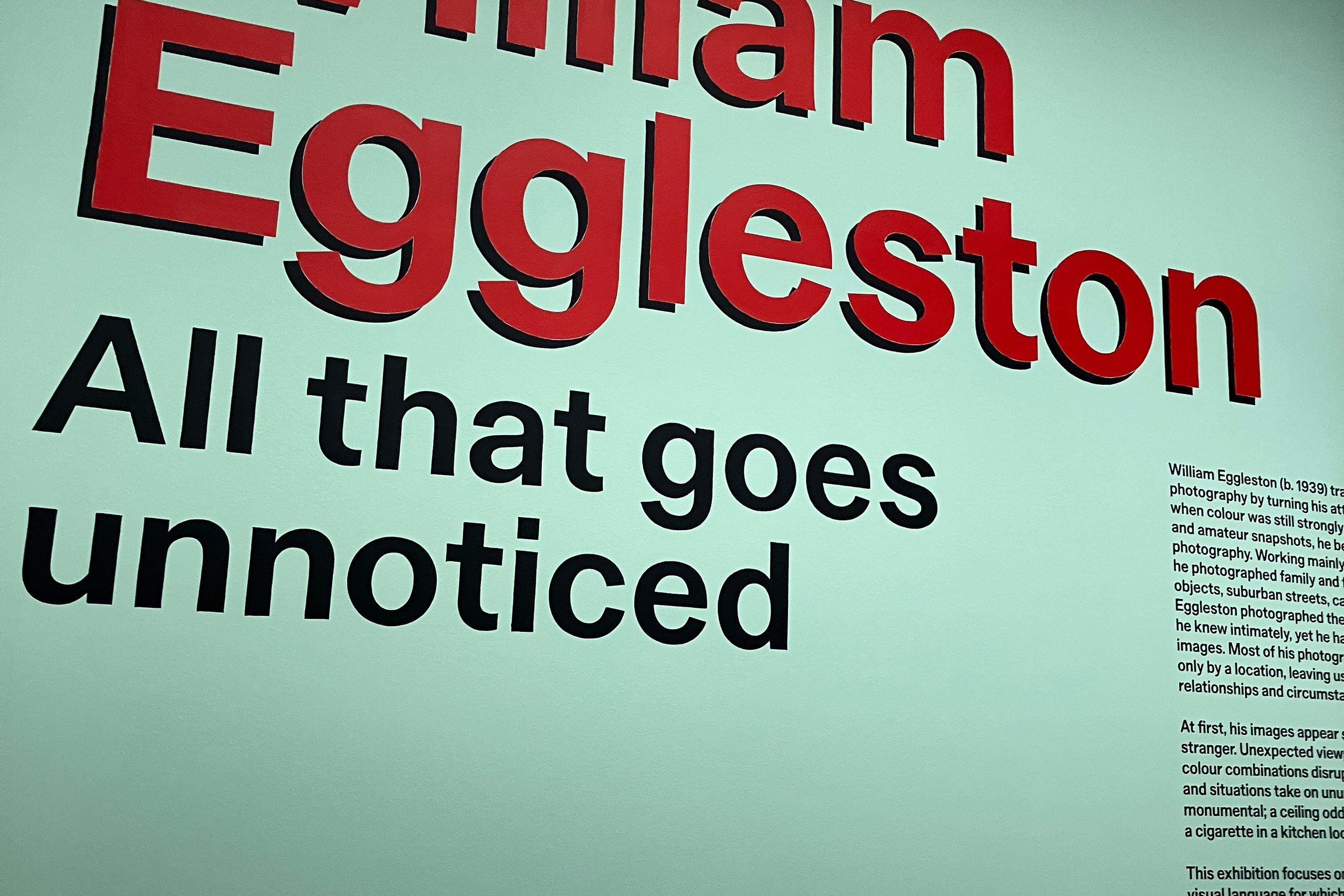
Eggleston at the Photographer’s Gallery, London
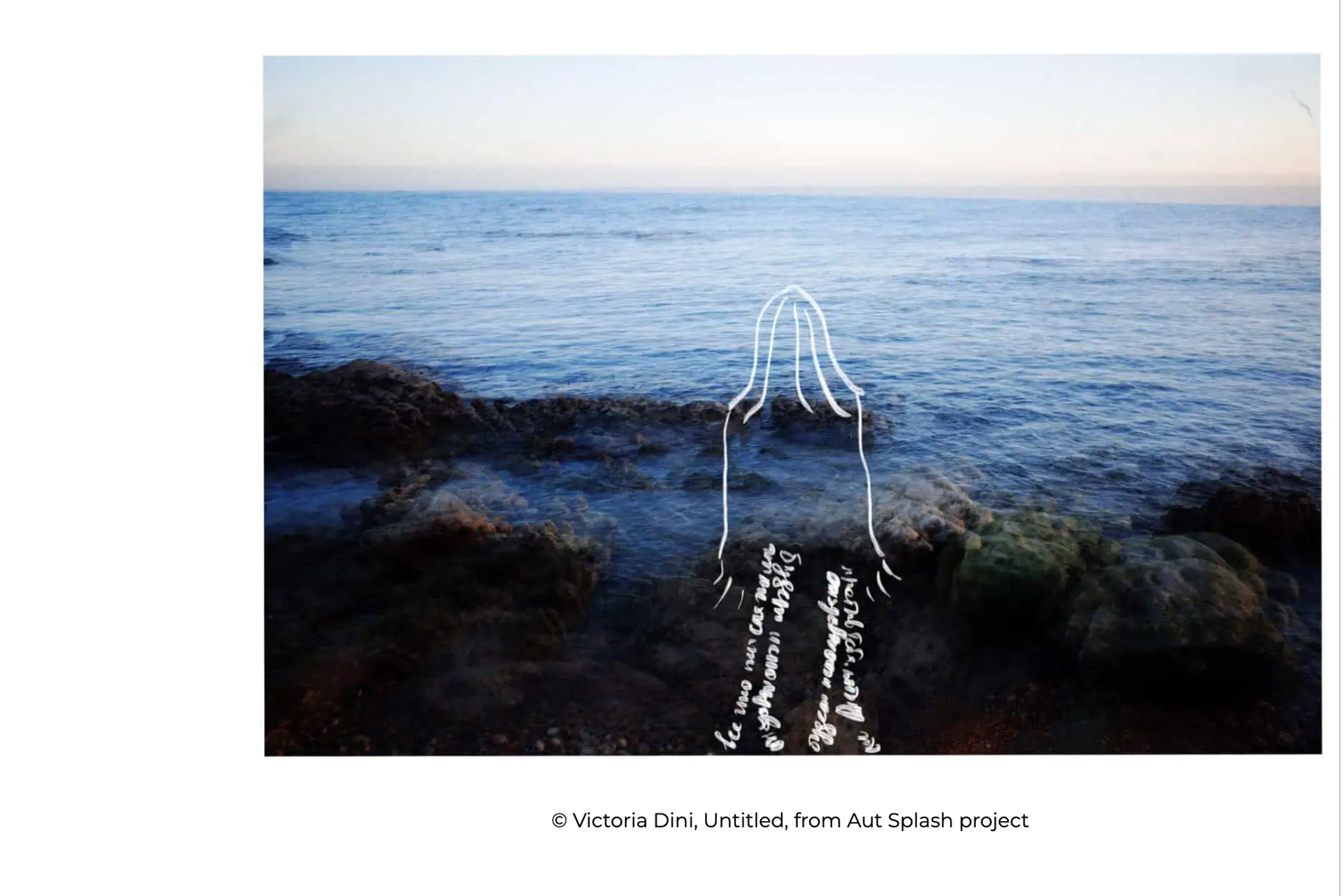
My work has been selected for a group exhibition at Griffin Museum of Photographу